Anthropic, the company behind the Claude AI models, is in early talks with Samsung about manufacturing a custom chip of its own design. The Information reported the talks, and Bloomberg and South Korea's Korea Herald covered them too. The discussions point at Samsung's 2 nanometre foundry process, its most advanced, and its chip packaging plants. Anthropic is said to be speaking with more than one chip design firm at the same time.
Almost nothing is settled. The company has not decided what the chip would do, how powerful it would be, or how it would sit inside a server. The project has not reached detailed design, let alone testing or production. Treat it as intent, not a deal.
The intent is the story. Training and running large AI models today means buying vast numbers of graphics chips, most of them from one company, Nvidia. That makes Nvidia both a chokepoint and a cost that never stops rising. Designing your own chip is a way to control both. Samsung is a natural partner. It invested in Anthropic's recent funding round as a strategic infrastructure backer, and it is the rare firm that makes both memory and the chips themselves. Anthropic's rival OpenAI has already paired with Broadcom on a custom processor of its own. The pattern is clear. The firms that write the models now want to shape the silicon under them.
Why does it matter? This is vertical integration arriving in AI. When a young industry matures, the biggest players stop renting the most important part of their stack and start owning it. That move is expensive, slow, and risky. It locks a company into bets that take years to pay off, and it is a sign the firms think the current way of buying compute cannot last.
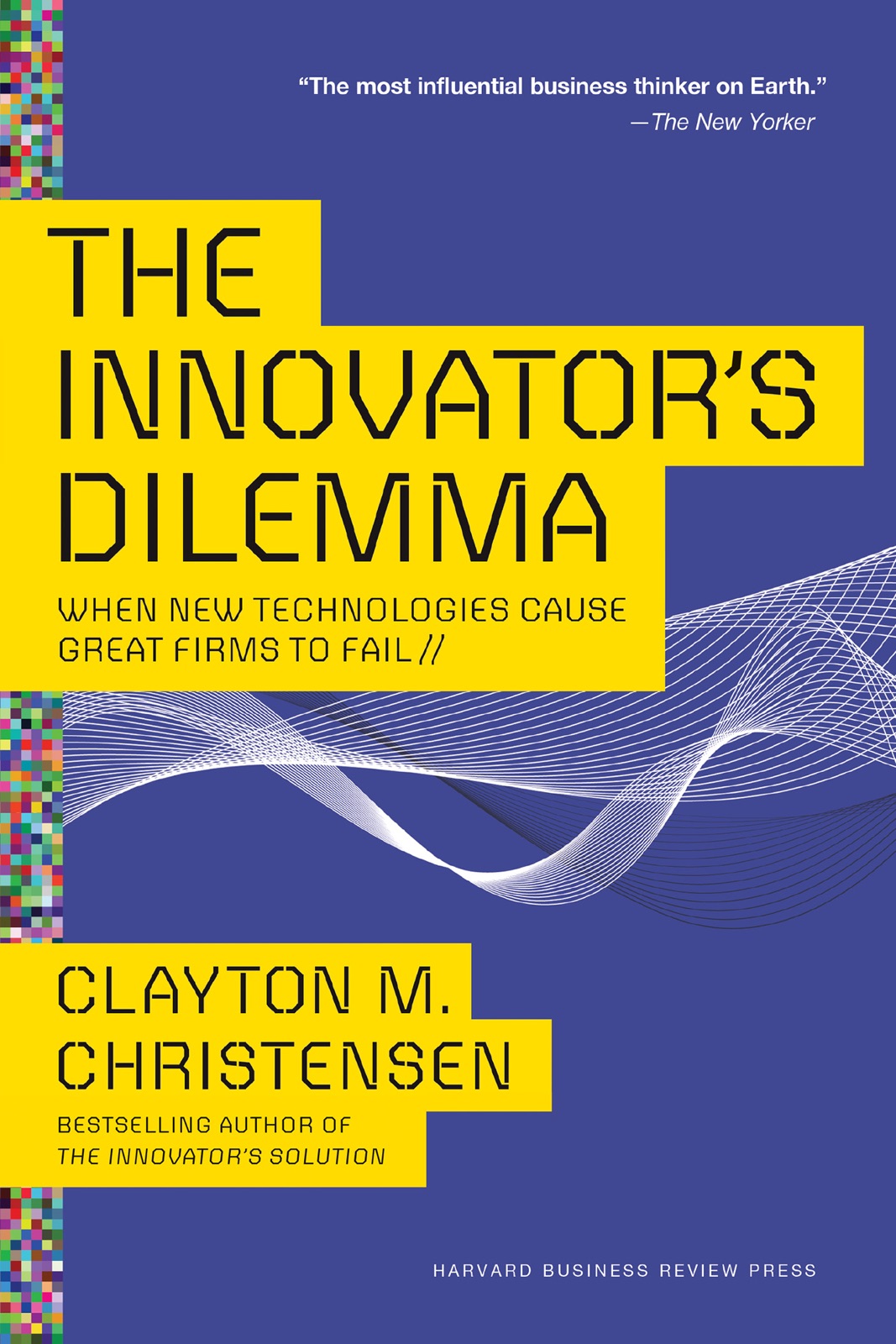
Clayton Christensen's The Innovator's Dilemma is the book that explains the shape of this move: how the economics of a technology, not its cleverness, decide who ends up controlling it, and why the firms on top keep reaching for tighter grip on the layer everyone else depends on. A chip with no design yet is still a signal worth reading.