Midjourney, the AI image generation startup, has asked a federal judge to compel Disney, Universal Pictures and Warner Bros to reveal in detail how they use AI themselves. The move comes as the three studios have a copyright lawsuit against Midjourney working its way through a California court.
Disney and Universal filed suit against Midjourney in 2025, arguing that its image-generation models could produce pictures of copyrighted characters including Bart Simpson and Darth Vader. Warner Bros. joined the litigation a few months later, adding Superman and Batman to the list of disputed characters. The studios' position is that Midjourney trained its models on copyrighted content without permission. Midjourney argues that such training is protected by fair use.
The current dispute is about discovery: what documents each side must hand over before trial. A judge previously ruled that the studios would need to provide information about their generative AI usage, but only when that usage resulted in content shown directly to consumers. Midjourney's latest filing seeks to remove that restriction.
The startup argues that limiting disclosure to consumer-facing content allows the studios to produce only the documents that support their claims about market harm, while hiding anything that might help Midjourney's defence. The specific concern: if the studios are using AI tools for internal work, including storyboarding, ideating or developing film and TV content, and if they are doing that with models trained on unlicensed copyrighted material, then they are doing precisely what they are suing Midjourney for.
Midjourney also wants to see all of the prompts that studio employees have entered into Midjourney itself, along with the resulting images, not only the ones the studios consider infringing. The studios' lead counsel, David Singer, described this approach as a "fishing expedition." He argued, in reporting by Variety, that the studios are not seeking to stop AI broadly, only to stop Midjourney from copying their specific intellectual property.
The legal tactic is worth noting separately from the outcome. Demanding that an adversary reveal its own use of a contested technology is becoming a standard move in AI-related litigation. It puts incumbents in the awkward position of defending a line they may not themselves have held.
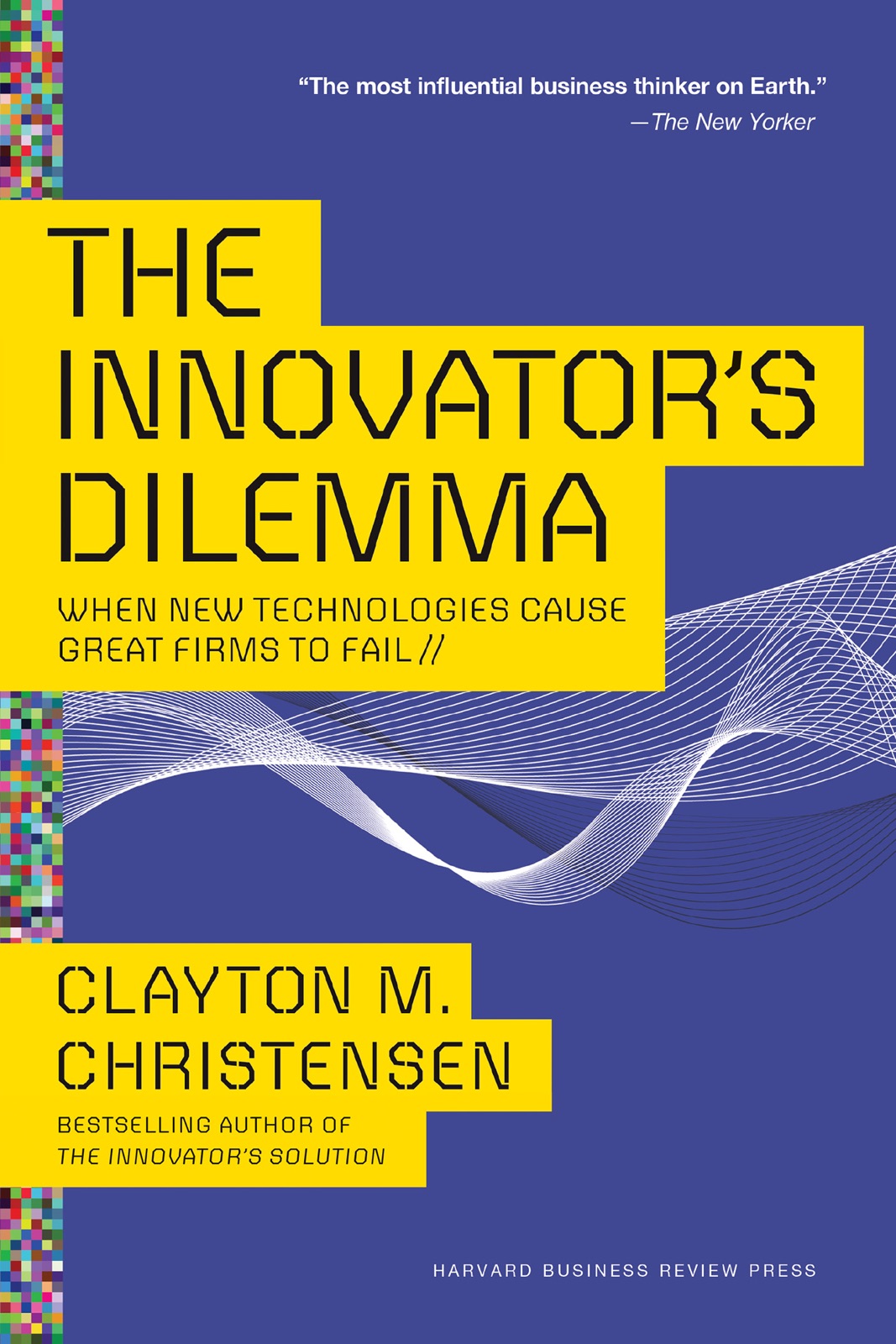
Clayton Christensen's The Innovator's Dilemma explains why dominant companies consistently struggle to respond honestly to disruptive technologies. Fighting a new technology in court while quietly adopting it internally is a pattern the book would recognise immediately.