OPEC+ ratified another oil output increase on Sunday. The decision, confirmed by sources at multiple outlets including the Wall Street Journal and Bloomberg, is the latest in a run of hikes the alliance has been making as it unwinds the deep production cuts of the pandemic years.
The Strait of Hormuz, the narrow passage between Iran and Oman, carries around a fifth of the world's seaborne oil. Traffic through it was disrupted in recent months as Middle East tensions rose. The situation is now calming. Gulf shipping flows are recovering. OPEC+ used the improving conditions to push through another increase.
The strategy is not straightforward. Saudi Arabia, the group's dominant producer, has been pushing for higher output partly to defend its market share against American shale producers. At lower oil prices, producers with higher costs find it harder to stay profitable. More supply, lower prices, fewer competitors: that is the logic.
But the logic bites back. The same governments pressing for more production depend on oil revenues to fund their domestic budgets. Too low a price and the fiscal arithmetic falls apart. OPEC+ is navigating between those two pressures, and it has been doing so with only partial internal discipline. Iraq and Kazakhstan, among others, have produced above their agreed limits. Part of what a quota hike achieves is formalising what is already happening, keeping the coalition together rather than pretending the rules are being followed.
The bigger question is time. Demand for oil is expected to plateau within the decade as electric vehicles and clean energy eat into it. The countries that sit on the largest reserves have a narrowing window to turn hydrocarbons into something durable: infrastructure, education, diversified industry. Pumping more now is rational in the short run. Whether it stays rational over 20 years depends on whether petrostates can build alternatives before the market for their main product permanently changes.
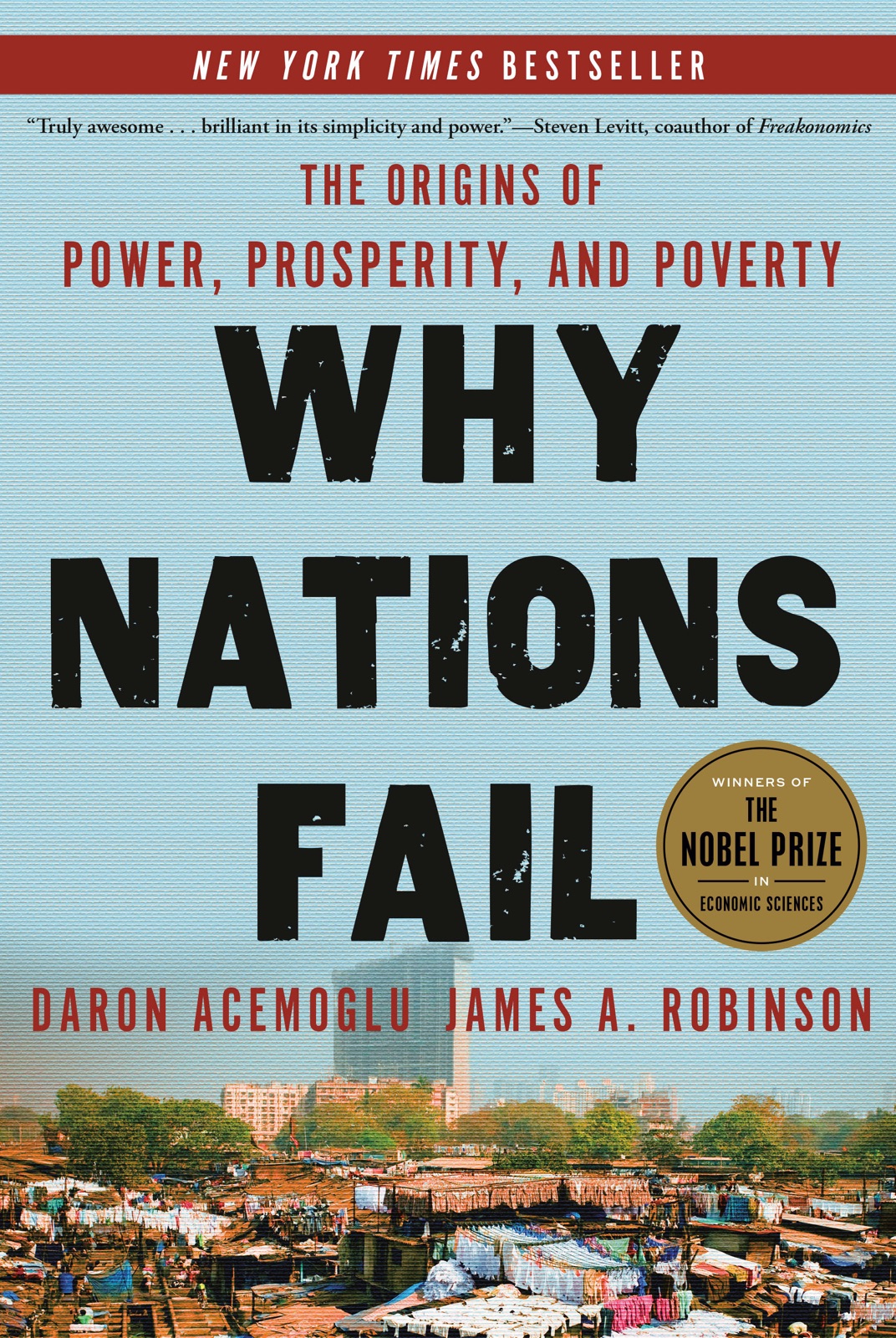
That is a central argument in Daron Acemoglu and James Robinson's Why Nations Fail. Countries that build their economies around extractive industries, including oil, tend to concentrate power and underinvest in the institutions that generate long-run prosperity. The OPEC+ calculus, prioritising short-term output over long-term structural change, illustrates exactly the pattern the book traces across history and across continents.