Most people trying to sleep better start in the wrong place. They buy blackout curtains, try melatonin, download a tracker, and wonder why nothing changes.
The levers that actually move sleep are less exciting. A fixed wake time. Real daylight in the first hour. A cool, dark bedroom. Caffeine and alcohol cut earlier than feels necessary.
None of this is a quick fix. Sleep responds to consistency over weeks, not to one good night.
But the mechanism is well understood. Once you see how your body decides when to feel sleepy, the advice stops sounding like folklore and starts making sense.
Fix your wake time before your bedtime
Most sleep advice obsesses over bedtime: wind-down routines, screen curfews, the right pillow. The bigger lever is the other end of the night.
Your body runs on a roughly 24 hour internal clock, the circadian rhythm. That clock is set mainly by when you get up and see light, not by when you go to bed.
Wake at a different time every day and the clock never settles. Falling asleep becomes a nightly negotiation instead of something your body does on its own.
So pick a wake time you can hold seven days a week, weekends included. Hold it for at least three weeks before judging whether anything else works.
An alarm helps you keep the promise, but the real victory is needing it less. After a few consistent weeks, most people start surfacing a few minutes before it rings, which is the clock doing its job.
Weekend lie-ins feel like self-care, but a two hour shift is a small dose of jet lag every Monday. Keep the drift under an hour and the week starts far easier.
If you work shifts, this advice bends rather than breaks. Anchor whatever schedule your rota allows as consistently as you can, and guard the sleep window around it fiercely.
Bedtime then largely takes care of itself. Once your body knows when morning comes, sleepiness starts arriving on schedule, and you stop trying to force sleep from the wrong end of the day.
Light is the strongest signal you have
Your brain uses light, more than anything else, to decide what time it is.
Bright light soon after waking, ideally outdoors, tells the clock the day has started. It also sets a rough timer for when melatonin, the hormone of darkness, should rise that evening.
Even a cloudy sky is far brighter than a lit room. Ten to twenty minutes outside in the first hour is one of the highest value habits in this whole guide.
Morning light also lifts mood and alertness on the spot, which makes this habit easier to keep than most.
Position matters at your desk too. If you work indoors all day, sitting near a window gives your clock a steady daytime signal that a windowless corner never will.
The evening is the mirror image. Dim light in the two or three hours before bed lets melatonin rise on schedule instead of being suppressed.
Screens matter here, but not quite for the reason usually given. The problem is less some magic property of blue light and more that phones are bright, close to your face, and endlessly interesting at exactly the wrong hour.
Turn brightness down after dinner, switch lamps on instead of ceiling lights, and treat the bedroom as a dim place. That will beat any night mode toggle.
Caffeine, alcohol and temperature
Three ordinary habits damage sleep more than almost anything else, and all three are easy to underestimate. None requires abstinence, just timing.
Caffeine hangs around. In most people it takes five to six hours for just half of it to clear, so an afternoon coffee is still working at bedtime even if you fall asleep fine.
The fix is not quitting. Move your last cup to before early afternoon and watch what happens to your nights. Decaf after lunch is an easy swap, and most people stop noticing within a fortnight.
Alcohol is the sneaky one. A nightcap genuinely helps you fall asleep faster, then fragments the second half of the night and suppresses REM sleep, the stage that supports memory and emotional balance.
It feels like it works. On the measures that matter, it mostly does not.
Temperature is the overlooked one. Your core temperature has to drop for you to fall and stay asleep, so a warm bedroom produces restless, broken nights even when everything else is right.
Keep the room cool. A hot shower an hour or two before bed helps too, paradoxically, because it pulls heat to your skin and speeds the drop afterwards.
Darkness belongs alongside temperature. Streetlights and standby lights are small, but your eyelids are not much of a curtain; darken the room properly or use a simple eye mask.
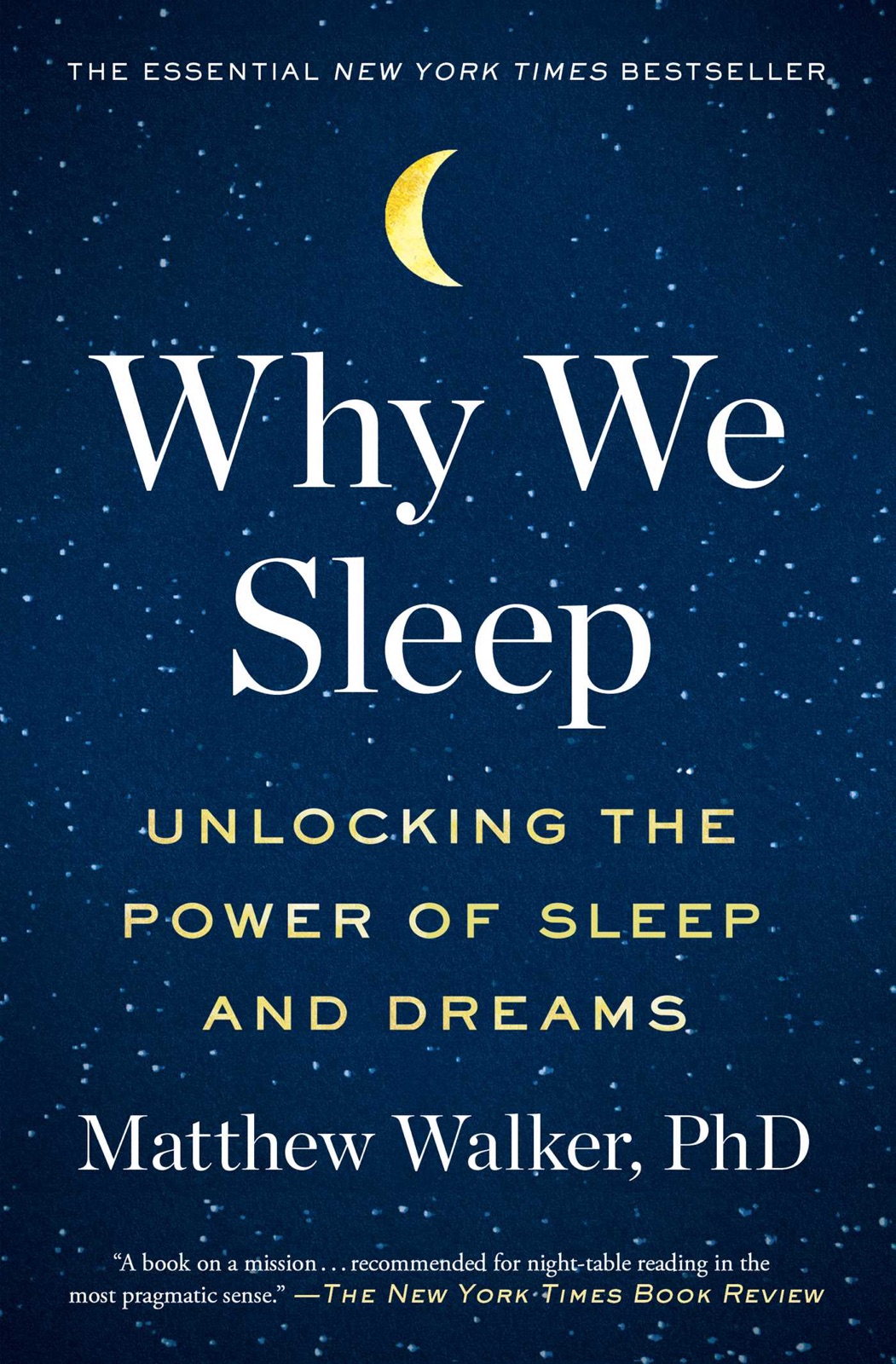
Matthew Walker's Why We Sleep is the book that turned these mechanisms into common knowledge. It goes far deeper than we can here: what each sleep stage does, what sleep loss quietly costs, and why we evolved to spend a third of life unconscious.