Reading guides✱
Short, honest guides to the things people actually want to get better at. Each one is written plainly, ends in practice, and points at the one or two books worth your time on the topic.

How to handle stress (without pretending it away)
Stress is not a flaw to fix. Two practical levers, one for your body and one for your mind, make it survivable instead of overwhelming.
How to be a better manager (in your first two years)
Practical habits for new managers: what to track, how feedback actually lands, and the two books worth reading first, from Kim Scott and Peter Drucker.

How to stop procrastinating (by making starting easier)
Procrastination is not a willpower problem. It is about the cost of starting. Here is how to shrink that cost, and why some avoidance is really about refusing to choose.

How to negotiate (without turning it into a fight)
Real negotiation is not a fight to win, it is information you gather calmly. Here is what actually works, drawn from Chris Voss's Never Split the Difference.

How to make better decisions (when it actually matters)
Most bad decisions are not stupid, they are just fast when they needed to be slow. Here is how to tell the two apart and when to actually slow down.

How to build better habits (that survive a bad week)
Most habit plans assume a perfect week. This guide explains why habits actually break under pressure and how to design ones that bend without snapping.
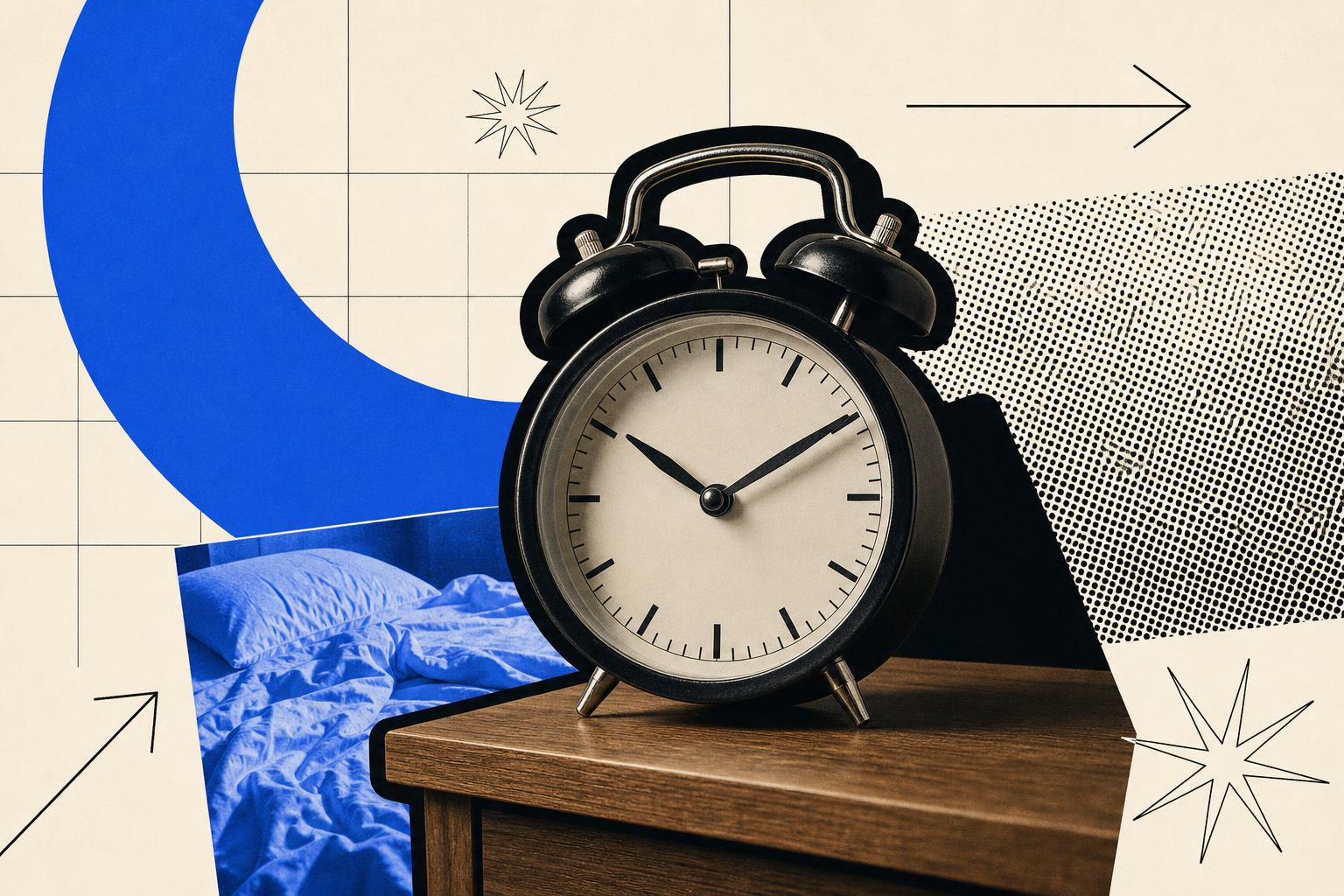
How to sleep better (the science that actually works)
Most sleep advice is noise. What works is boring: a fixed wake time, morning daylight, a cool dark room, and earlier cut-offs for caffeine and alcohol. Here is the routine, and what to try when it is not enough.
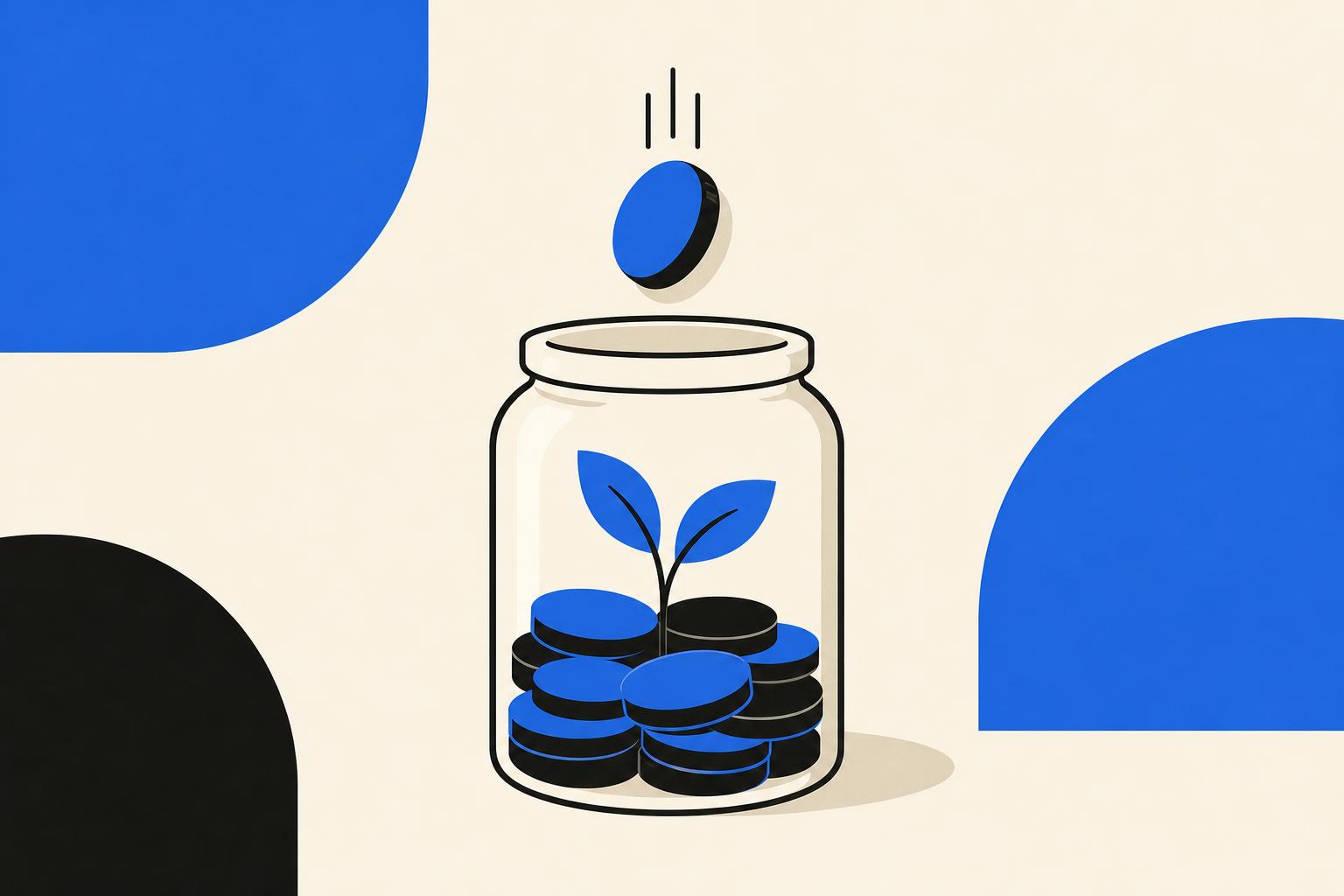
How to start investing (even if you feel like you're already behind)
You do not need stock picks or charts. Clear expensive debt, keep a cash buffer, then automate monthly buying of a broad low-cost index fund and leave it alone. Boring wins, and starting now beats starting perfectly.

How to be more productive (without working longer hours)
Real productivity is finishing the work that matters, not doing more tasks. Pick one highlight a day, protect ninety minutes of deep focus, batch the shallow work, and let your best hours do the heavy lifting.