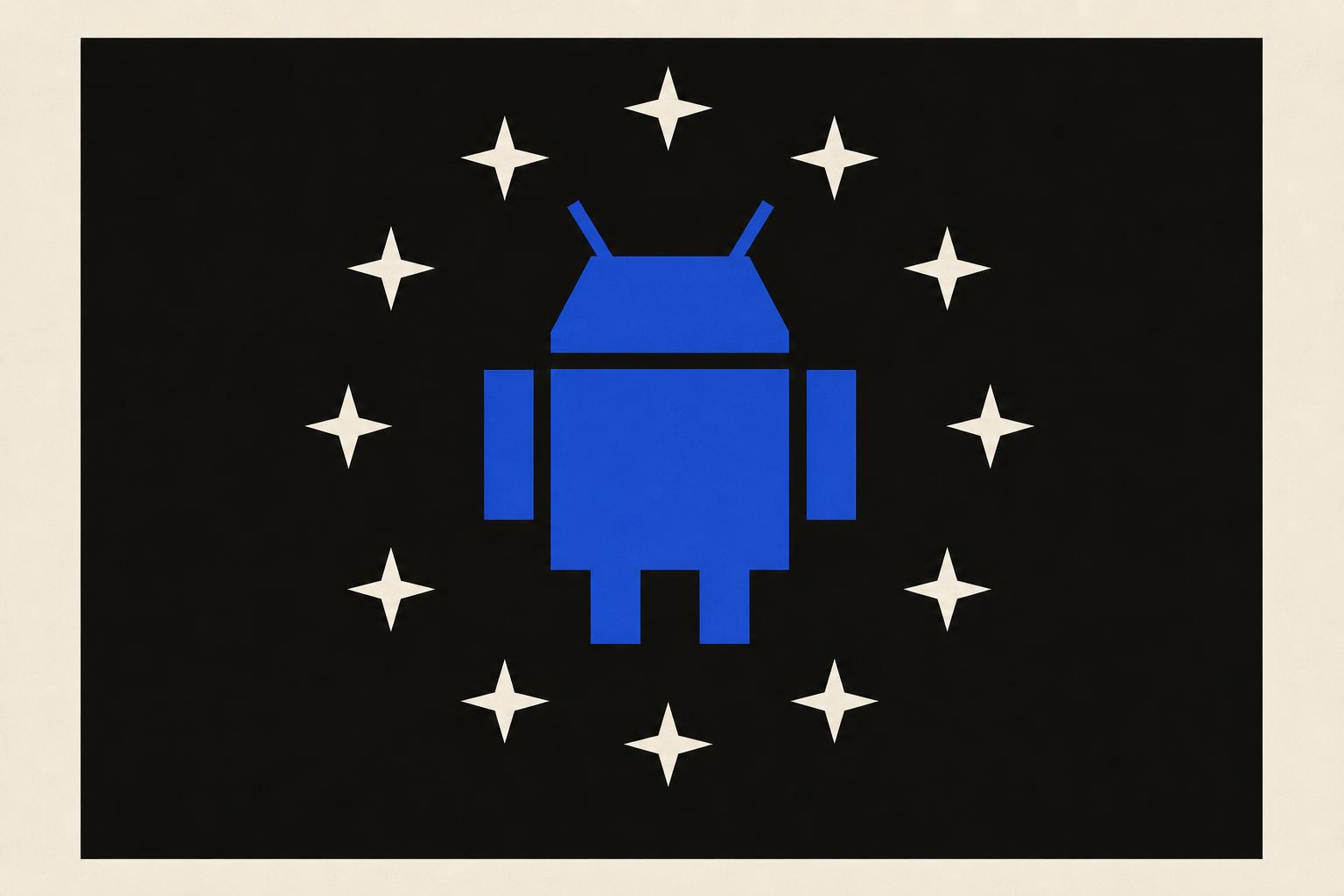
Europe's highest court has ended one of the longest antitrust fights in tech. On 2 July the Court of Justice of the European Union dismissed Google's final appeal against its Android fine. The penalty stands at 4.1 billion euros, about 4.7 billion dollars. There is nowhere left to appeal.
The case dates back to 2018. The European Commission found that Google used Android's licensing terms to protect its search business. Phone makers who wanted the Play Store had to pre-install Google Search and Chrome as part of the deal. Regulators called that an abuse of dominance. Google argued the bundle was what let Android be free. A lower court trimmed the fine from 4.34 billion euros in 2022 but kept the core finding intact. This ruling makes it final.
The money is not really the story. Alphabet can absorb a fine this size without changing anything about how it operates. The story is the precedent. The ruling confirms that Europe can police how a platform owner bundles its own services with the platform, and it lands just as regulators on both sides of the Atlantic circle the next generation of gatekeepers: app stores, cloud, and AI.
The playbook itself is old, and that is worth sitting with. Tying a dominant product to a rising one built business empires long before smartphones existed. Business Adventures covers the classic cases from the first golden age of American antitrust, and The Innovator's Dilemma explains why dominant firms defend the bundle so fiercely even when they can see the risk coming.