Building a habit that survives a bad week is mostly a design problem, not a willpower problem. If a habit only works when your day goes to plan, it was never built to last.
The real question is not "how do I start a new habit". It is "how do I build one that keeps going after I miss a day, get ill, or have a genuinely bad week at work". Most habit advice quietly ignores this and only talks about the easy part: starting.
Why habits break under pressure
Most habit systems are designed around good days. They assume you have time, energy and a clear head to draw on.
Then a bad week arrives. A sick child, a work deadline, a family argument, a broken night's sleep. The habit was never tested against any of that, so it snaps at the first sign of pressure.
This is not really a personal failing. It is a design flaw. A habit built only for ideal conditions is a habit built on the wrong foundation, and it will keep failing in exactly the same way until the design changes.
The fix is not more discipline. It is building the habit around the version of you that shows up on a bad day, not the version that only exists on a good one.
Start with the loop, not the outcome
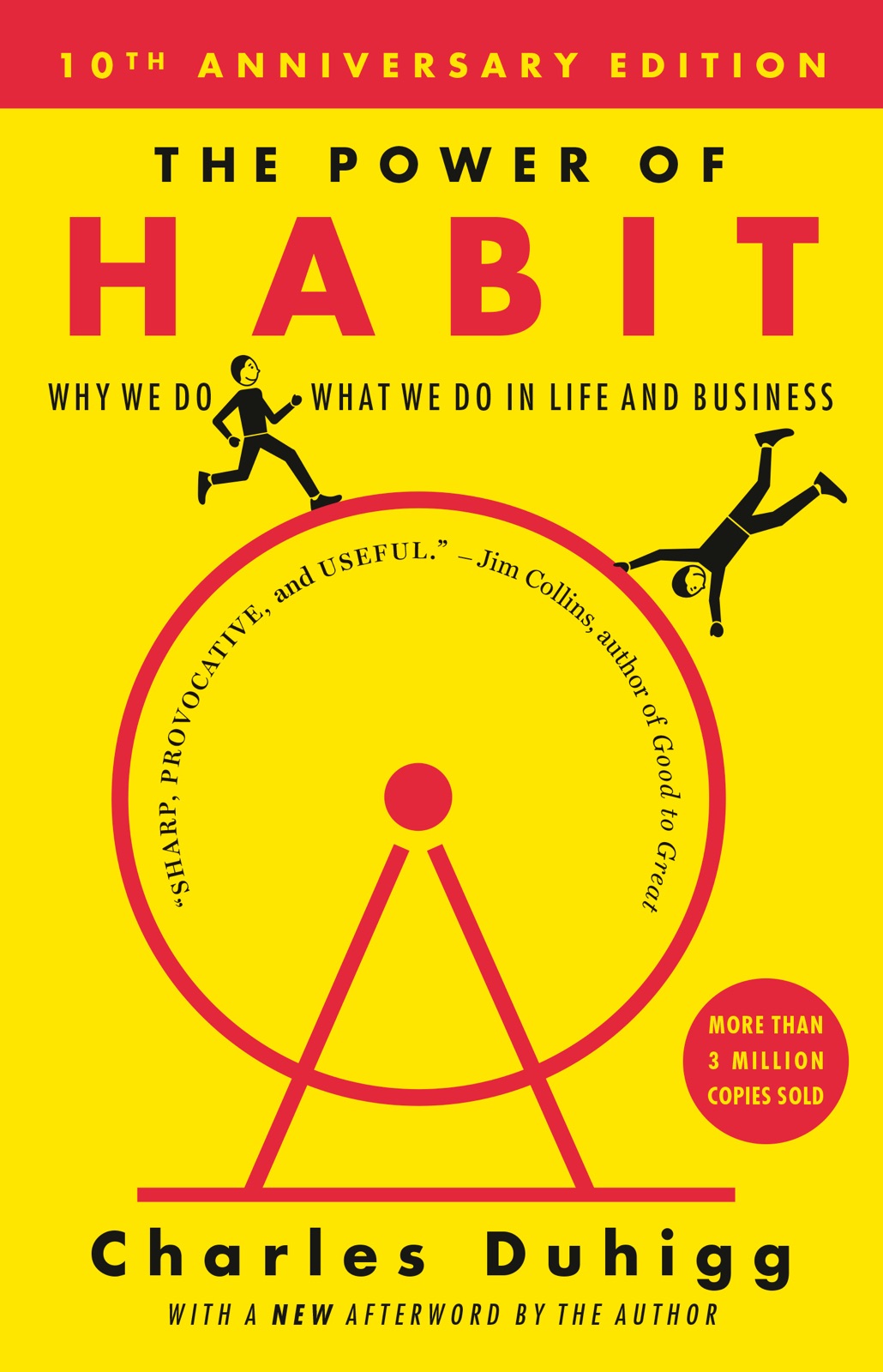
Every habit runs on the same basic structure: a cue triggers a routine, and the routine delivers a reward. Charles Duhigg's reporting on habit science, drawn from decades of behavioural research, traced this loop across cases as different as gamblers, Olympic swimmers and supermarket shoppers.
Understanding the loop matters because it shows you exactly where a habit is vulnerable. Most people try to fix the routine when things go wrong, pushing themselves to do the exercise or write the pages anyway. But the routine is rarely the weak point. The cue usually is.
If your cue depends on a specific time, place or mood, a bad week will destroy it. A habit cued by "after I finish work at 6pm" collapses the moment work runs late, which is exactly when a bad week starts. A habit cued by something more stable and less optional, like "after I brush my teeth" or "when I sit down at my desk", survives far more disruption because the cue itself is harder to knock out.
Before changing anything else, look at what actually triggers your habit. If the trigger is fragile, the habit is fragile, no matter how motivated you are.
Design for the bad version, not the good one
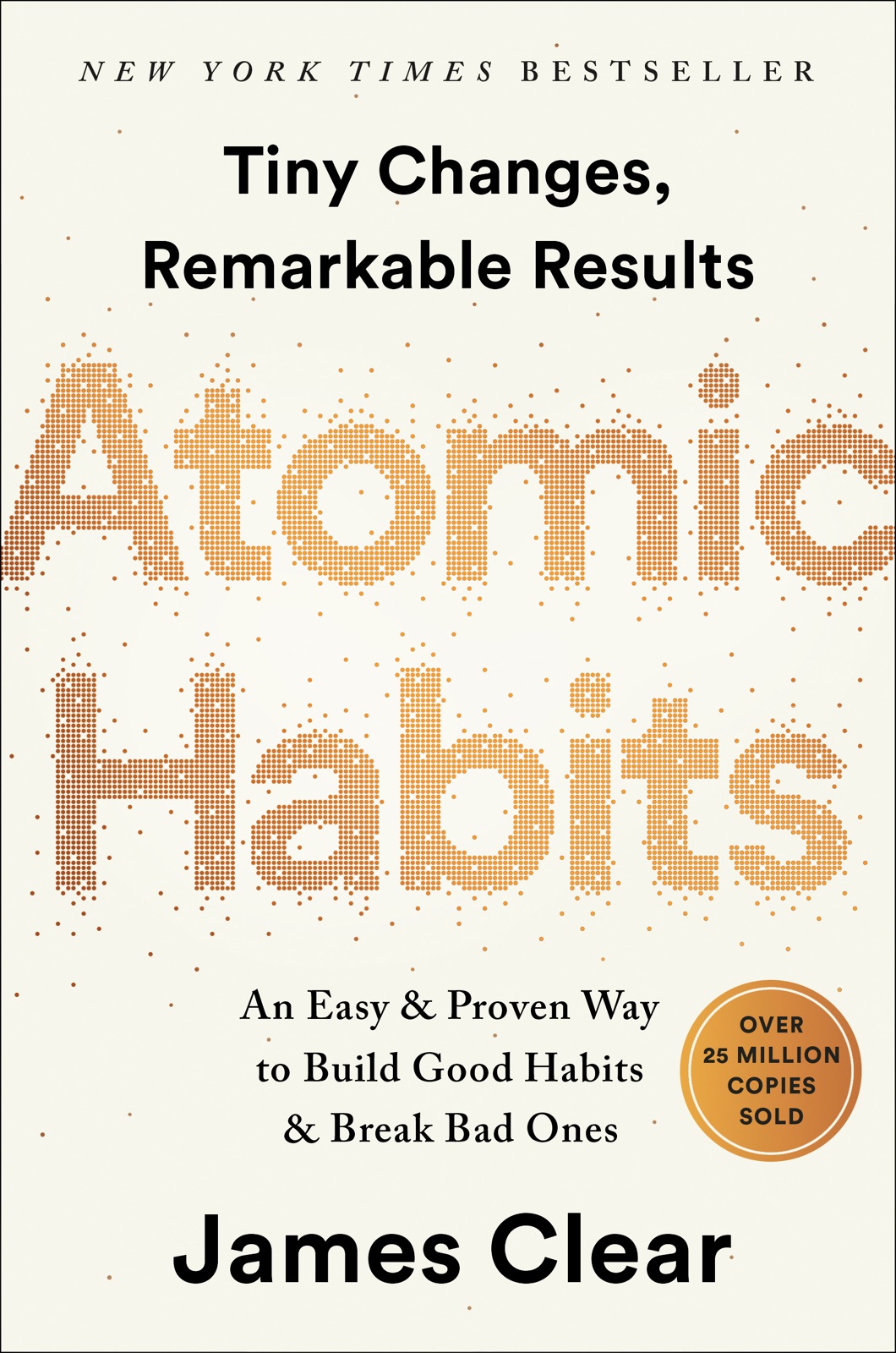
James Clear's Atomic Habits reframes habit-building around small, repeatable systems rather than big, motivated pushes, and argues that habits are shaped more by identity and environment than by discipline.
Clear's most useful idea for resilience is what he calls the two-minute rule: shrink the habit down to something so small it survives even your worst day. Not "go to the gym for an hour" but "put on your trainers and step outside". Not "write a thousand words" but "open the document and write one sentence".
This sounds almost too small to matter, and that is the point. A habit that takes two minutes on a bad day still counts. It keeps the identity going, "I am someone who exercises" or "I am someone who writes", even when the full version is out of reach.
Environment design does similar work with less effort than it sounds. Leave a book on your pillow and reading becomes the easiest option at bedtime. Keep running shoes by the front door and the barrier to a short, grudging run drops close to zero. None of this asks for more willpower. It just removes the extra friction a bad week piles on top of what is already hard.
Make the habit part of who you are
A habit is more likely to survive disruption when it is tied to identity rather than to a goal. "I want to run a marathon" is a goal with an end point. "I am someone who runs" is an identity that has no natural stopping place, including on a bad week.
This distinction sounds abstract, but it changes real behaviour. Someone chasing a goal often stops once a setback makes the goal feel out of reach. Someone maintaining an identity keeps showing up in some small form, because the point was never really the outcome. It was staying the kind of person who does the thing.
Practically, this means naming the identity you are building before you pick the habit, then choosing the smallest action that is still consistent with it. A single page written still counts if the identity is "a person who writes". A five minute walk still counts if the identity is "a person who moves every day".
The rule that matters more than any other: never miss twice
Missing a single day is normal. It is not a failure, it is just life, and treating it as a crisis usually does more damage than the missed day itself.
What actually breaks a habit is missing twice in a row, because that is when a new pattern quietly starts to form: the pattern of not doing it. One missed day is an exception. Two in a row is the beginning of a new normal.
Treat this as close to a hard rule. If you skipped your walk yesterday because you were exhausted, that is fine and does not need fixing. Today, do the smallest possible version, even five minutes, rather than skip again.
The goal on a recovery day is not to make up for lost time or prove anything. It is simply to keep the thread of "I still do this" alive, even in miniature, until normal life resumes.
What to do when the habit breaks completely
Sometimes a bad week is not one missed day but two weeks of genuine chaos: illness, travel, a family crisis. The habit stops entirely, and restarting can feel harder than starting from nothing.
The common mistake is trying to restart at full intensity, as if to prove you are back and make up for lost ground. That usually just creates a second failure stacked on the first, because full intensity was hard to sustain even before the break.
Instead, restart at the two minute version, even if you used to do far more. Rebuild the cue and the identity first, and let intensity come back once the habit is running again, not before it.
It also helps to treat the break as information rather than a verdict on your character. What actually happened during that period. Was the cue disrupted, did the environment change, was the habit simply too big to survive that kind of pressure in the first place. A habit that breaks under a specific kind of stress is quietly telling you where to reinforce it next time.
Where to start
Pick one habit you actually want to keep, not the one you feel you are supposed to want. Shrink it down to a version that takes under two minutes on your worst day. Attach it to a cue that does not depend on things going well, ideally something you already do without fail.
Then apply the never miss twice rule without exception, and if the habit does collapse completely, restart at the smallest version rather than treating it as a referendum on your willpower.
Habits built this way look less impressive on paper. They are also the ones still running a year later, bad weeks included.