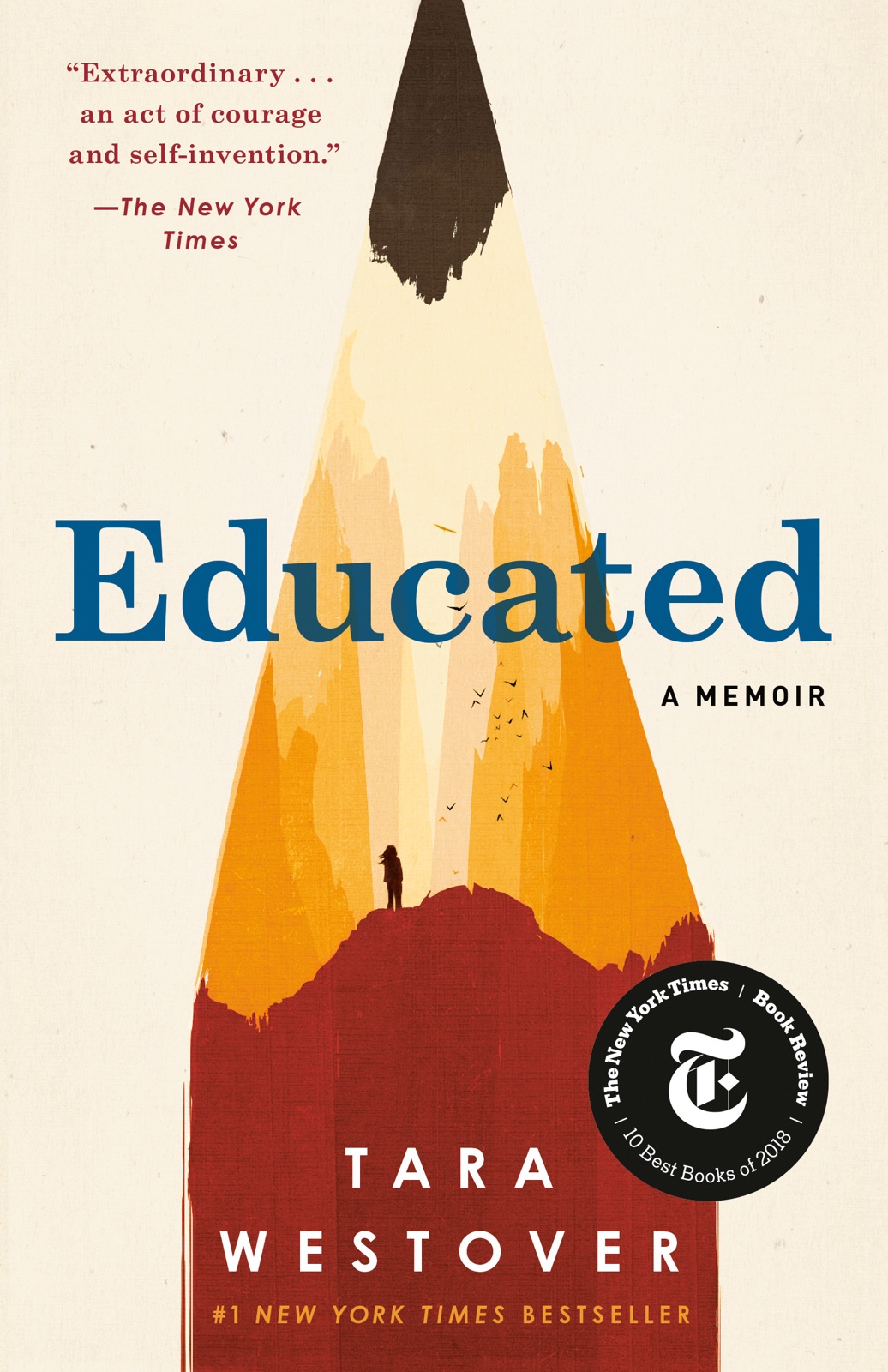
Educated
A Memoir
A gripping account of building a self through learning, and what it costs to leave your family to do it.
Core ideas
Education is a self you construct, not a stack of credentials.
Family systems often push back hard when one member starts to change.
Loyalty and self-erasure can look alike until you name the difference.
Memory is fragile, and honest recollection means admitting where it fails.
Lessons from the book
What an education really is
The degrees came last. The real change was learning she was allowed to think for herself.
Westover reached Cambridge without ever attending school, which makes it easy to read the book as a story about credentials. It is not. The turning point comes earlier and quieter, when she realises she can hold an idea in her hand, test it, and decide for herself whether it is true. That is what her formal study gave her. Not facts to recite, but permission to question the version of the world she was handed at home.
This is a useful way to think about your own learning. A course or a title is only the container. The thing that matters is whether you come out able to weigh evidence, change your mind, and trust your own judgement. Westover shows how slow and disorienting that shift can be, especially when the beliefs you are testing came from people you love. Education, in her telling, is less about what you know and more about who you become while knowing it.
How families resist change
When one person grows, the whole system often pulls to snap them back into place.
Every family runs on a set of unspoken rules about who each person is. Westover was the obedient youngest, and when she began to think and live differently, her family did not simply adjust. Doubt was met with pressure. Her memory of events was questioned. The safest path, again and again, was to shrink back into the role she had always played. This is a common pattern, not a sign that anyone is a villain. Systems protect their own shape.
Seeing this clearly is the first step to handling it. If you have ever tried to change a habit, a belief, or a career and felt an odd resistance from the people closest to you, this part of the book will feel familiar. The pull is rarely stated out loud. It arrives as guilt, as reminders of who you used to be, as the quiet suggestion that you are betraying everyone by becoming someone new. Naming the pattern does not make it painless, but it does make it something you can face.
Loyalty is not self-erasure
You can love the people who raised you and still refuse to disappear for them.
The hardest question in the book is not whether to leave, but what you owe the people you leave behind. Westover does not treat this lightly. She wants her family. She keeps trying to find a version of loyalty that lets her stay connected without denying what she has seen and lived. For a long time the price of belonging is agreeing to a story about herself that is not true, and she keeps paying it because the alternative feels like losing everyone.
The line she slowly draws is a useful one. Loyalty means showing up, caring, staying open. It does not mean erasing your own memory or your own mind to keep the peace. When staying requires you to become smaller and smaller, that is not loyalty any more, it is self-erasure dressed up as love. Westover does not offer this as advice, and she never sounds sure. But watching her work it out gives you a clearer way to think about your own hardest relationships.
Our take
We keep coming back to this one because it is not really a school story. Westover grew up off the grid in Idaho, never sat in a classroom, and taught herself enough to reach BYU and then Cambridge. But the heart of the book is quieter than that arc suggests. It is about what happens inside a family when one person starts to see the world differently, and about the loneliness of that gap. She writes about her parents and her brothers with real love, which makes the harder chapters land with weight rather than blame.
One honest caveat: this is a memoir, not a manual, so do not come looking for steps or a method. It is a story to sit with. It also carries the usual fragility of memory, and Westover is unusually upfront about this. She flags disputed recollections in footnotes, and members of her family have contested her account. She does not pretend to a single tidy truth. We think that candour makes the book stronger, but it is worth knowing going in that you are reading one person's careful, questioned memory rather than a settled record.
Is it for you?
Read it if
Read it if you are drawn to stories of self-invention, or if you have ever felt torn between the people who raised you and the person you are becoming.
Skip it if
Skip it, or go slowly, if depictions of family violence and emotional abuse are hard for you right now, since those scenes run through the whole book.