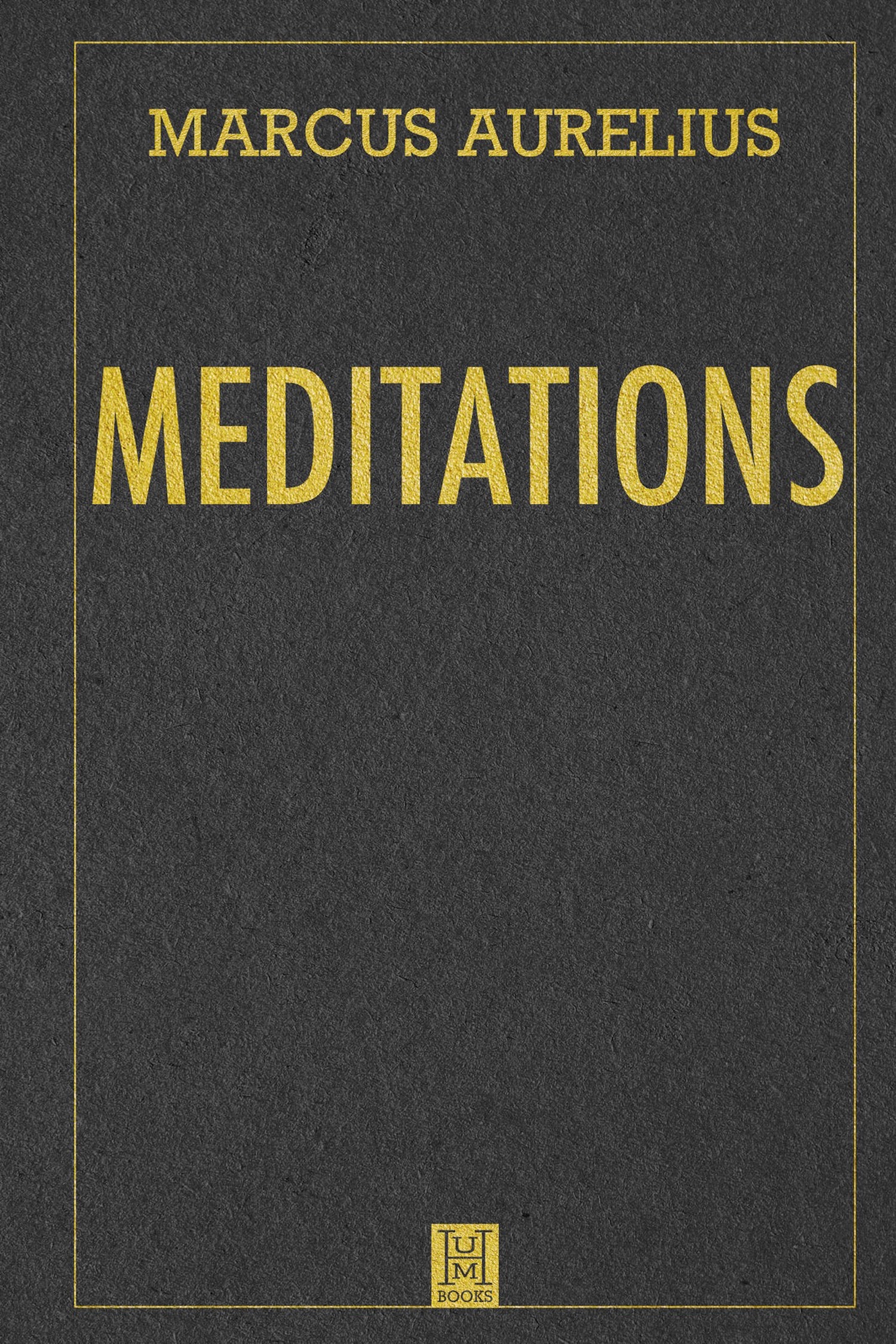
Meditations
The private journal of a Roman emperor: Stoic philosophy as a daily, practical discipline.
Core ideas
You don't control events, only your judgments about them, and that is enough.
The obstacle is the way: impediments to action can advance action.
Memento mori: remembering death sharpens how you spend each day.
Do your duty, master your reactions, and waste no time on what's outside your control.
Lessons from the book
The dichotomy of control
Sort the world into what is up to you and what is not. Then let the rest go.
The spine of Stoic practice, and of these notes, is a single division: some things are within our power, our judgments, choices, and efforts, and some are not, other people, the past, the body's fate, the outcome of any plan. Nearly all suffering, Marcus reminds himself, comes from trying to control the second category.
He returns to it constantly because it is easy to understand and hard to live. The discipline is to invest fully in your own actions and hold their results loosely. Do the work; release the outcome. It sounds passive and is the opposite: it concentrates all your energy on the only place it can actually do anything.
The obstacle is the way
What blocks the path can become the path.
Marcus writes that the mind adapts and converts obstacles into fuel: the impediment to action advances action, what stands in the way becomes the way. A blocked plan is raw material for patience, ingenuity, or a better plan. The event is neutral; the use you make of it is where virtue lives.
This is not forced positivity. He is not saying the obstacle is good, only that your response to it is entirely yours and can be excellent regardless. An emperor facing plague, war, and betrayal needed this to be true and made himself believe it daily. It has since carried people through far quieter troubles.
Memento mori
You could leave life right now. Let that decide what you do and say.
Marcus reminds himself relentlessly that he will die, that everyone he envies or fears is already half-forgotten, that time is short and the present is all anyone ever holds. Coming from a man with absolute power, the insistence on his own smallness and mortality is startling and deliberate.
Far from morbid, the practice is clarifying. Remembering death cuts through triviality, grudges, and vanity, and returns attention to what matters now: acting well, treating people justly, wasting no hour on resentment. You could leave life right now, he writes. Let that determine what you do and say. Two millennia on, it still lands.
Our take
There's something remarkable about reading the private notebook of the most powerful man in the world, writing only to himself about staying humble, doing his duty, and not wasting the life he has. He never meant it to be published, and that's exactly why it still feels so honest two thousand years later.
It's repetitive, he's drilling the same Stoic lessons into himself over and over, so we'd read it in small doses rather than straight through. Get a good modern translation (Gregory Hays is our pick) or the antique phrasing will fight you. Dip in whenever you're rattled; it has been steadying people for a very long time.
Is it for you?
Read it if
Anyone seeking a grounded, time-tested philosophy for staying steady under stress.
Skip it if
Readers wanting systematic argument rather than fragmentary personal notes.