Becoming a better manager starts with two unglamorous habits: tracking where your time actually goes, and learning to say the hard thing kindly. Almost nobody does either one on purpose in their first year.
Most new managers copy whatever their own boss did to them. Some of what you absorbed was good. A lot of it was just what your manager happened to be like on a bad day.
The good news is that management is a learnable skill, not a personality trait. Two classic books map most of what actually matters: how you spend your time, and how you tell people the truth.
Start by tracking your time, not your intentions
You cannot manage what you have not measured. Before deciding how to spend your week as a manager, find out how you are actually spending it right now.
For one week, log your time in rough blocks: meetings, one to ones, email, firefighting, and real thinking work. Most new managers are stunned by how little of the week turns out to be theirs.
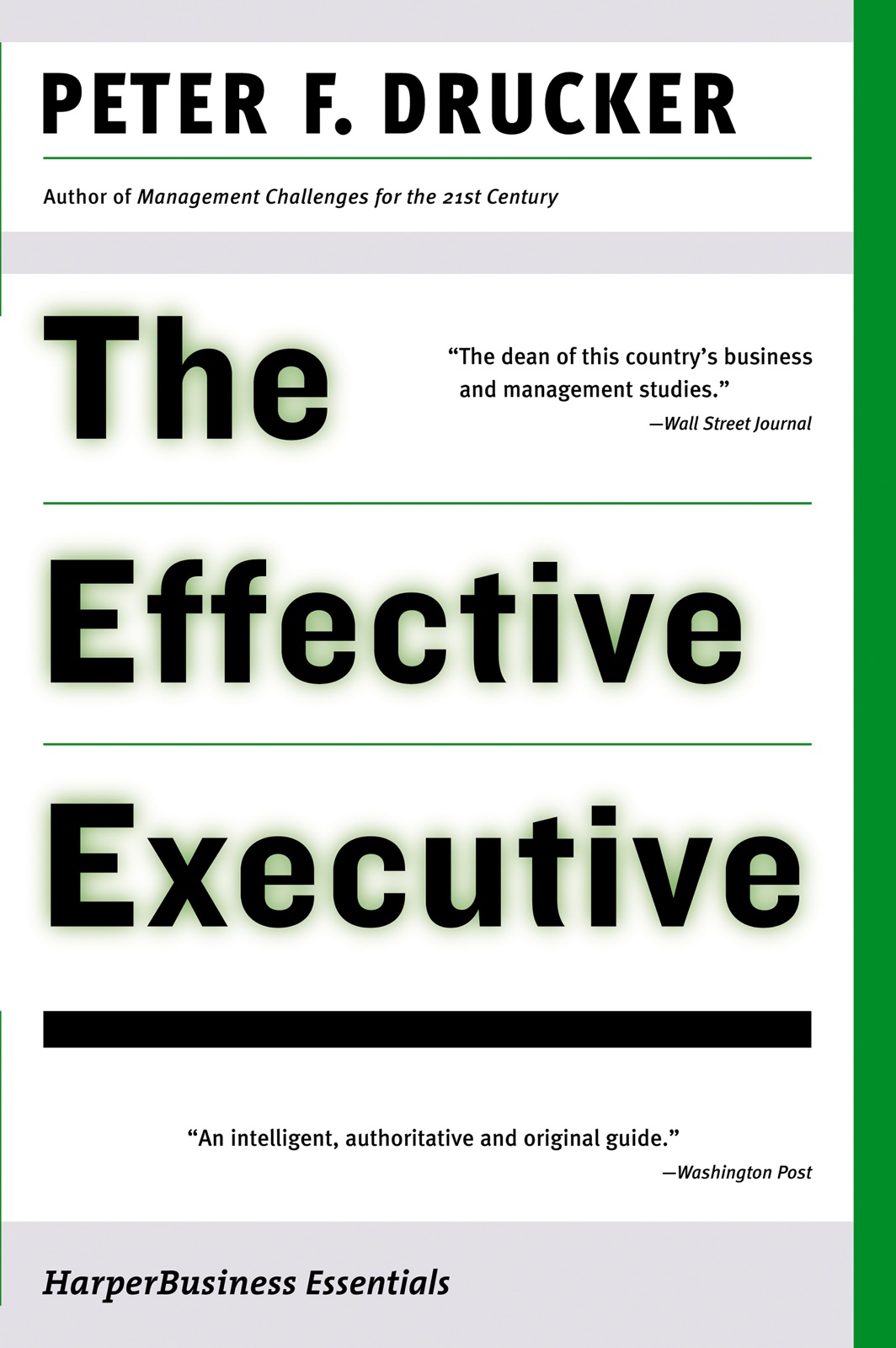
Peter Drucker made this the first move in his classic on effectiveness, written for anyone doing knowledge work, not managers alone. His central claim still holds: effectiveness is a set of habits you build, not a talent you are simply born with.
Once you can see your week honestly, you can start pruning it. Cancel the recurring meeting nobody remembers agreeing to. Batch email into two windows instead of leaving it open all day.
Protect one real block of uninterrupted time, and defend it the way you would defend a meeting with your own boss. If you will not protect it, nobody else will either.
Ask what you can contribute, not how hard you are working
New managers often measure themselves by busyness: back to back meetings, a full inbox, always available on chat. None of that is the same as being useful.
Drucker's reframe is simple and still uncomfortable: ask "what can I contribute?" instead of "what am I doing?" It shifts the question from effort to outcome, which is a harder question to answer honestly.
For a manager, contribution usually comes down to three things. The people on your team are growing. The team is working on the right problems, not just busy ones. And issues get caught early, before they turn into fires that eat the whole week.
A full calendar guarantees none of the three. It is entirely possible to be exhausted and useless at the same time, and new managers tend to find this out the hard way, usually around month three.
Run one to ones like they matter, because they do
The one to one is the single easiest habit to let slide, and the most costly one to lose. It is the only regular time a report gets your full, undistracted attention.
Keep a running shared document instead of starting cold each week. Let your report set most of the agenda: their one to one is for their problems, not a status update you could have read in a message.
Ask questions you would actually want asked of you. "What is getting in your way right now?" and "what would make next week easier?" tend to surface more than "how is everything going?" ever does.
Feedback: care personally and challenge directly, at the same time
The most common failure mode for new managers is not cruelty. It is silence. You notice a problem, you like the person, so you say nothing and hope it fixes itself.
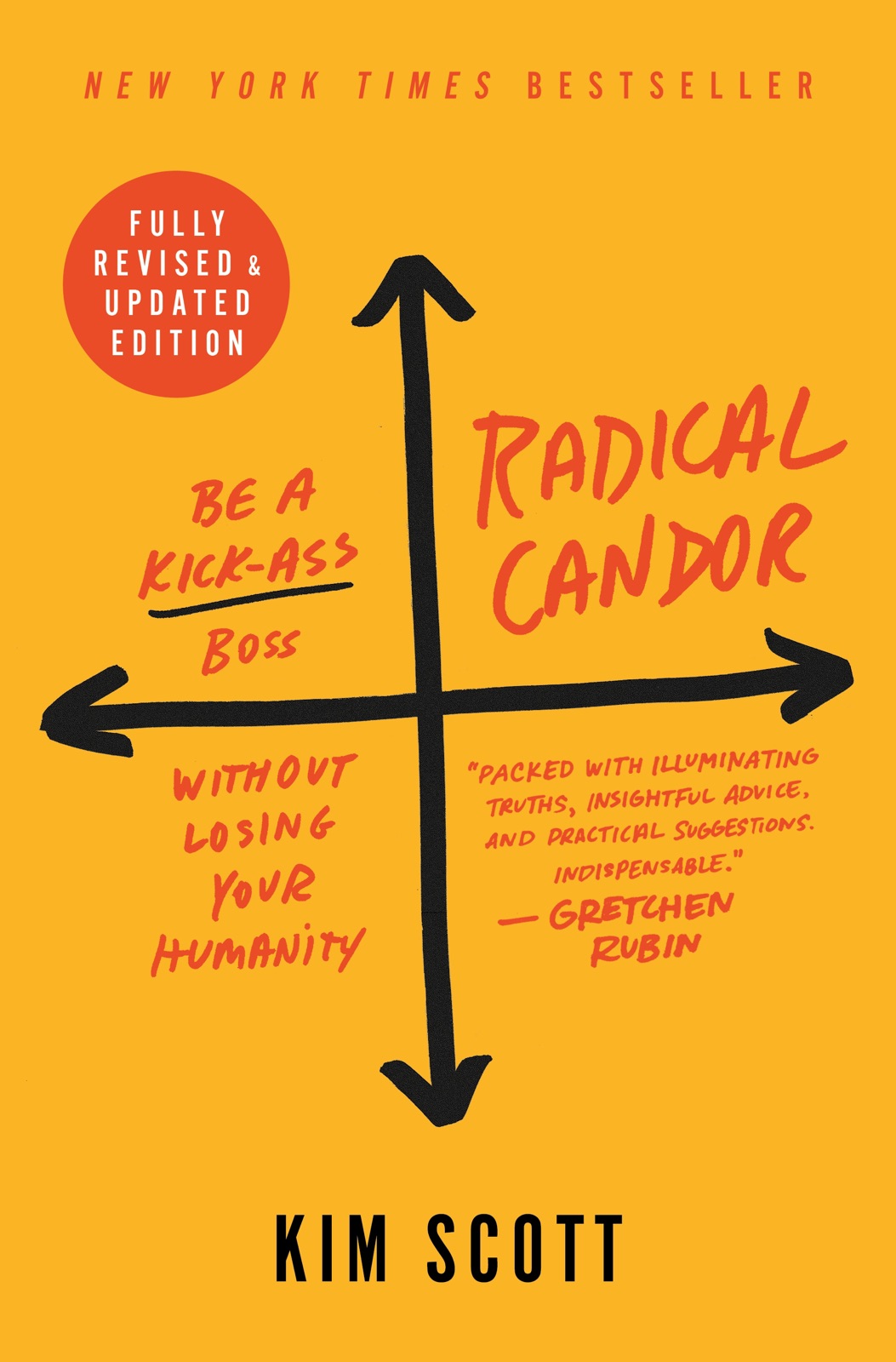
Kim Scott calls this ruinous empathy: being nice in the moment at the cost of someone's growth over months. It feels kind in the room. It is actually a quiet form of neglect.
Scott's framework, radical candour, sits on two axes: how visibly you care about someone, and how directly you tell them the truth. Managers who only care personally slide into ruinous empathy. Managers who only challenge directly turn into the boss nobody wants feedback from, because it never arrives wrapped in any warmth.
The fix is not complicated, just uncomfortable at first. Say the hard thing, but say it because you are genuinely on the person's side, and say it soon, not three months later in a scheduled review nobody saw coming.
Make feedback a habit, not an event
Do not save feedback for the annual review. By the time you get there, nobody remembers the specific moment, and vague, backward looking feedback helps no one improve anything.
Two simple rules make this easier to practise. Praise in public, criticise in private. And make both specific: not "great job this quarter" but "the way you handled that client call on Tuesday was exactly right, and here is why it worked."
Ask for feedback on yourself before you hand it out to others. New managers who ask "what could I do better?" first, and then visibly act on the answer, earn the right to ask harder questions of their own team later.
Reward candour when you get it, even when it stings a little. If someone tells you something true and uncomfortable and you get defensive, that is the last honest thing they will tell you for a while.
Decide what to stop doing
Growth as a manager is not only about adding new skills. It also means actively abandoning parts of your old job you have not let go of yet.
Drucker's advice here is blunt: systematically ask what you would stop doing if you were not already doing it. Managers who keep doing their old individual contributor work on the side are usually the first to burn out, because they never actually made the trade the new job required.
The same question applies to your team's priorities, not just your own calendar. If everything is still marked urgent from last quarter, nothing actually is, and everyone quietly knows it.
Delegation follows from the same logic. Hand over one recurring decision on purpose, tell the person exactly how much authority they have, and let them make it without checking in first. That single habit, repeated, is most of what growing your team actually looks like day to day.
Where to start this week
Pick one thing, not five. Track your time for a week and cut one meeting that no longer earns its slot. Or have the one honest, kind conversation you have been putting off for a month.
Both books above are short enough to read in a week and dense enough to reread every year or two as the job changes shape under you. Drucker for the discipline of the work itself, Scott for the discipline of telling the truth to people you genuinely care about.
Between them, they cover most of what actually separates a good manager from an anxious one: not charisma, but two habits, practised on purpose, week after week.