Procrastination is not a character flaw. It is what happens when a task feels harder, more boring, or more threatening than whatever else you could be doing instead. The fix is not more willpower. It is making the first move so small and so obvious that starting stops being a decision at all.
That sounds too simple to work. It works because procrastination is rarely about the whole project. It is about the next five minutes. Win the next five minutes and the task usually carries you forward on its own.
Why willpower keeps losing
Willpower is a poor long term strategy because it is finite and unreliable. It dips when you are tired, stressed, or hungry. It is strongest first thing in the morning and weakest by the evening, which is exactly when most postponed tasks get postponed again.
Treating procrastination as a discipline problem also misses what is actually happening. Most avoided tasks carry some emotional cost: boredom, confusion about where to start, fear of doing it badly, or plain overwhelm at the size of it. Your brain is not being lazy. It is choosing the option with a lower emotional price tag right now.
Two things change that trade. Make starting cheaper. And accept that you cannot do everything, so what you avoid becomes a deliberate choice instead of an anxious one. The rest of this guide covers both.
Shrink the task until starting is almost free
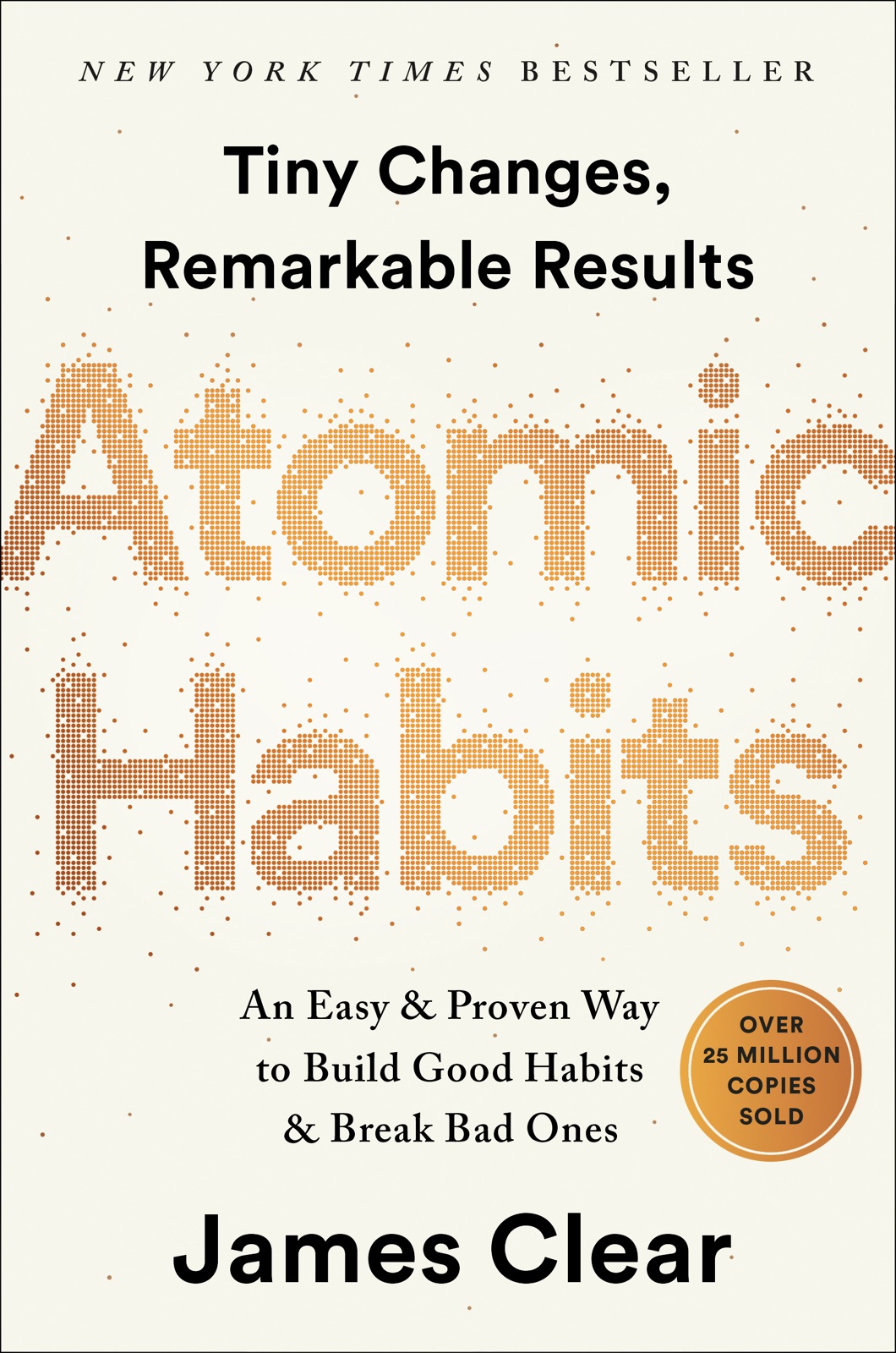
The most useful idea in James Clear's Atomic Habits is what he calls the two minute rule. Any habit or task can be scaled down to a version that takes about two minutes. Not "write the report", but "open the document and write one sentence". Not "go for a run", but "put on your running shoes".
This works because resistance to a task is front loaded. Nearly all the dread sits in the first sixty seconds. Once you are two minutes in, momentum does most of the remaining work, and stopping becomes the harder choice.
Clear also argues for habit stacking: attaching a new small action to one you already do automatically. After I pour my morning coffee, I will open my task list and shrink one thing on it to two minutes. The existing habit becomes the trigger, so you are not relying on memory or motivation to start.
Write your shrunk version down before you need it, not in the moment you are avoiding the task. Deciding what "two minutes of this" looks like takes a little thought, and you will not have spare thought available at four in the afternoon when you are already avoiding it.
Clear's wider argument is that identity drives behaviour more than motivation does. Someone who thinks of themselves as "a person who writes daily" does not need to talk themselves into opening the document. The two minute version is also a cheap way to cast that vote for the identity you want, even on days you do not feel like it.
Remove the decision, not just the difficulty
A lot of procrastination is decision fatigue wearing a different coat. If starting requires you to first decide what to work on, then decide where, then hunt for the right file, you have created three separate chances to bail before you even begin.
Set the environment up the night before, or first thing, while your resistance is lowest. Open the document. Put the book on the desk. Close every browser tab except the one you actually need.
Friction works in both directions. Adding friction to your default distraction, logging out of social apps, leaving your phone in another room, is often more effective than trying to add motivation to the task you are avoiding. You are not fighting temptation head on. You are just making the easy option slightly less available than the hard one.
Admit you cannot do it all
Shrinking tasks and cutting friction solves the mechanics of starting. It does not solve a deeper reason people procrastinate: an unconscious refusal to accept that finishing one thing means not doing several others.
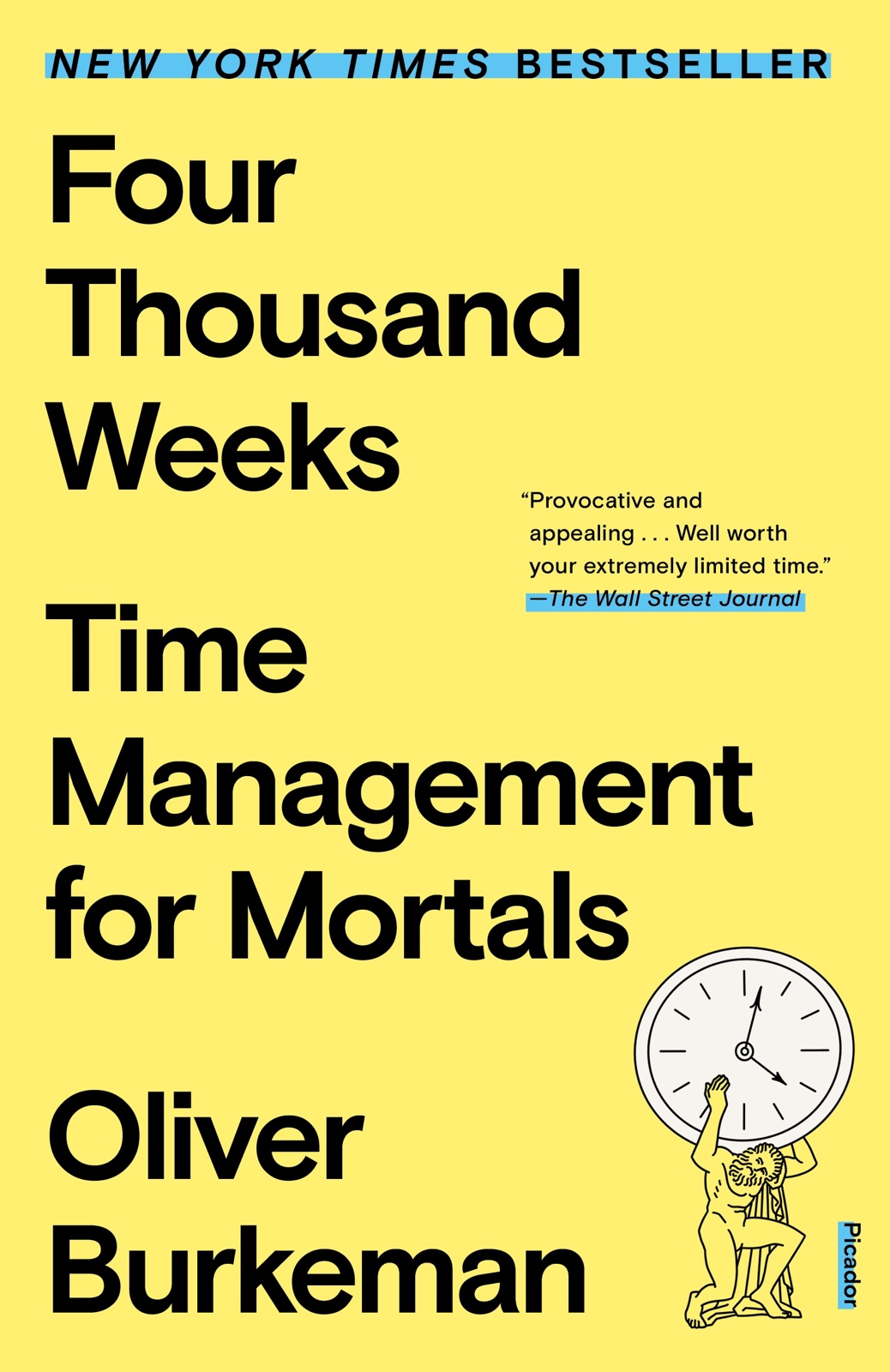
Oliver Burkeman's Four Thousand Weeks takes its title from a blunt fact. A life of about eighty years is roughly four thousand weeks long. That is not very many. Burkeman's argument is that most productivity advice tries to help you fit everything in, when the honest problem is that you never could and never will.
Procrastination, in Burkeman's telling, is often a way of avoiding the discomfort of choosing. As long as a task stays undone, you have not yet had to face its limits, or admit that doing it means something else will not get done today. Starting forces a small grief. Delaying just postpones it.
The practical version of this is not fatalism, and it is not giving up on ambition. It is choosing your undone list on purpose. Pick the small number of things that genuinely matter this week, do those properly, and let the rest stay openly and deliberately unfinished, instead of quietly nagging at you from the bottom of an ever growing list.
Burkeman is also sceptical of productivity systems that promise to eliminate this tension altogether. No amount of better scheduling removes the basic fact of limited time. Some readers find that bracing rather than comforting, so go in expecting a book that reframes the problem rather than one that hands you a neat system.
What to do today
Pick the one task you have been avoiding longest. Shrink it to a two minute version and write that version down now, before your resistance has a chance to come back.
Then remove one piece of friction between you and starting it: open the file, lay out the tool, delete the distracting app from your home screen. Do the two minute version today, even if it is nowhere near the whole task.
If the honest answer is that the task does not actually matter, take it off the list instead of dreading it forever. Fewer, chosen commitments beat a long list you are quietly avoiding.
Atomic Habits is the better starting point if your problem is mostly mechanical: you know what to do but cannot get moving. Four Thousand Weeks is the better next stop once you notice the avoidance is really about not wanting to choose. Read them in either order. Between them they cover both halves of procrastination: the friction, and the fear.