Stress is not something you get rid of. It is a signal that your body and your attention have decided something matters right now.
The honest goal is not a stress free life. Nobody has one of those, and chasing it usually makes things worse. The real goal is a nervous system that can come back down after it goes up, and a mind that can tell a real threat apart from a deadline that only feels like one.
There are two separate levers here, and most stress advice mixes them up. One is your body: the fast, physical alarm that floods you with adrenaline before you have even decided to worry. The other is your mind: the slower story you tell about what things mean and what you can do about them. Fix the body first. The mind is much easier to work on once your heart rate has settled.
Your body has a faster switch than your mind
When you get stressed, your breathing changes before you notice it. It gets shorter, higher in the chest, and often moves through the mouth instead of the nose. That pattern is not incidental. It is part of what keeps the alarm switched on.
The reverse also works, and this is the useful part. Slow breathing, especially a long exhale through the nose, tells your nervous system the danger has passed, even before your mind has caught up. This is not a metaphor. It is a mechanical lever, and it works in minutes, not weeks.
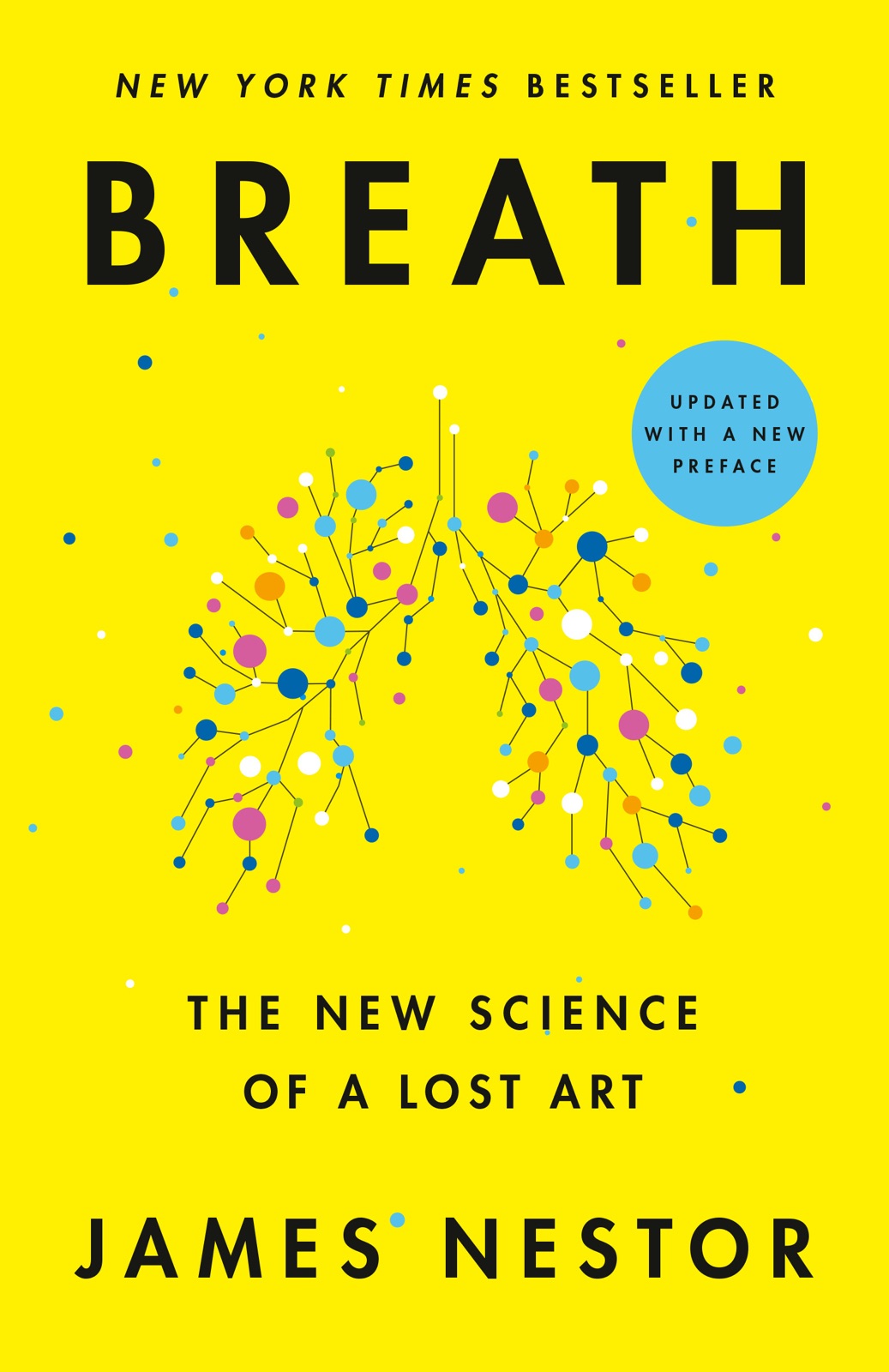
James Nestor's
is the clearest plain language tour of why this works. Nestor spent years testing breathing methods on himself and reporting on the science and history behind them, from ancient practice to modern lab research.
The practical version, if you read nothing else: breathe through your nose for most of the day, not your mouth. When stress spikes, make your exhale longer than your inhale. Four seconds in, six to eight seconds out, for two minutes, is usually enough to feel your body settle.
None of this fixes a genuinely hard problem sitting in your inbox. What it does is buy you the calm to think about that problem properly, instead of reacting to it from a flooded state, which is most of what breathing actually gives you.
Decide what is actually yours to carry
Once your body has settled, the second lever is what you do with your attention. A large share of stress comes from fighting things that were never within your control in the first place: other people's opinions, a decision that has already been made, the past, the general state of the world.
This is the oldest idea in the stress toolkit, and it still works because it happens to be true. You cannot control outcomes. You can control your own effort, your own honesty and your own next action.
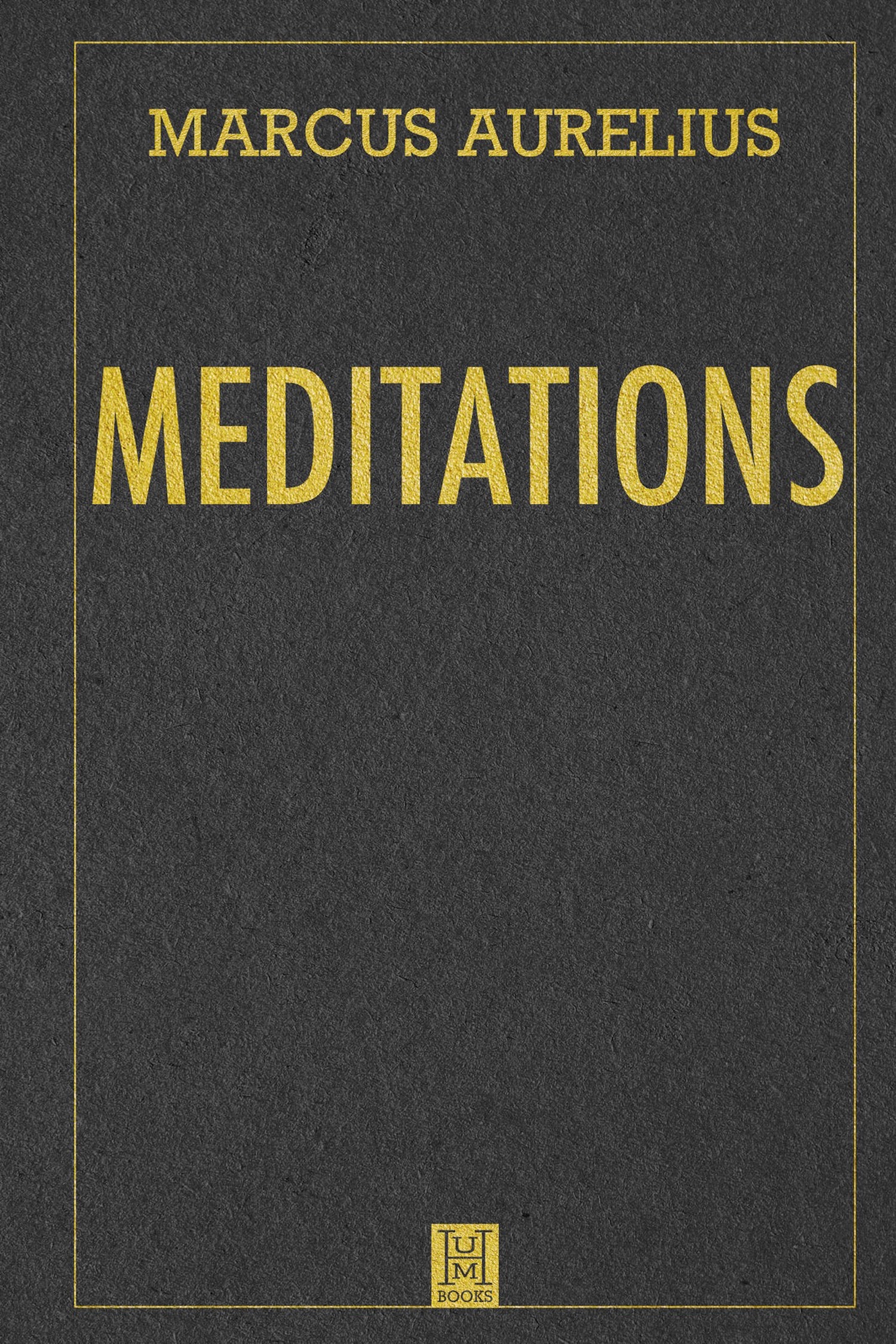
Marcus Aurelius was a Roman emperor who spent much of his reign fighting wars on the frontier.
was his private notebook, written to himself rather than for an audience, which is why it reads as blunt, repetitive and practical rather than polished.
Its central habit is a daily sorting exercise. Look at whatever is bothering you and ask plainly: is this actually mine to change? If yes, act on it. If no, stop spending attention on it, because that attention was the only thing you were ever going to lose.
This is not the same as suppressing how you feel or pretending a bad situation is fine. It is a way of aiming your energy at what can actually move, instead of burning it on what cannot.
A simple version of the habit: at the end of the day, write down what stressed you, then mark each item either "mine" or "not mine". Act on the first list. Let the second one go, on paper if not yet in your head.
Build a buffer before you need one
Breathing and reframing both work best in the moment, once stress has already arrived. But stress that keeps coming back usually means there is no buffer in your ordinary week, so every new demand lands directly on a tank that was already full.
A buffer is deliberately boring: enough sleep, a fixed time you actually stop working, one thing each day that is not for anyone else. None of that sounds like stress management. It is, because it decides how much spare capacity you have left when something genuinely goes wrong.
Protect the buffer the way you would protect an important deadline. If it only survives on the easy weeks, it is not a buffer. It is just a nice idea you had.
Know when stress is a signal worth listening to
Some stress is noise: a full inbox, a delayed train, an awkward email. Breathe through it, sort it, and move on.
Some stress is a signal. If the same source of stress keeps returning month after month, and it is affecting your sleep, your health or the people close to you, that is not a breathing problem. It is information telling you something in the situation itself has to change, whether that is the job, the workload or the relationship.
This is the one honest caveat to everything above. Do not use calming techniques to make yourself more tolerant of a situation that genuinely needs to end. Breathing and Stoic reframing are tools for handling stress well. They are not a reason to stay somewhere that keeps producing it.
Where to start
Start with your body today. Notice your breathing the next time something stresses you, and lengthen the exhale until it is longer than the inhale. That alone changes how the next ten minutes feel.
Then start on your mind this week. Pick one recurring worry and ask honestly whether it is yours to control. Sort it, and put your attention where it can actually help.
will teach you the physical mechanics in far more depth than any article can.
will hand you a way of thinking that has survived nearly two thousand years for a reason. Neither is a quick fix, and both are worth the read precisely because of that.