Most of us treat negotiation like a fight we would rather avoid. We picture raised voices, a hard bargain and one side losing.
That picture is wrong, and it is also why so many people negotiate badly. Good negotiation is not a fight. It is a structured conversation where you gather information calmly and work out what the other person actually needs.
The goal is not to win an argument. It is an outcome you can both live with, one the other side will not quietly resent or walk back later.
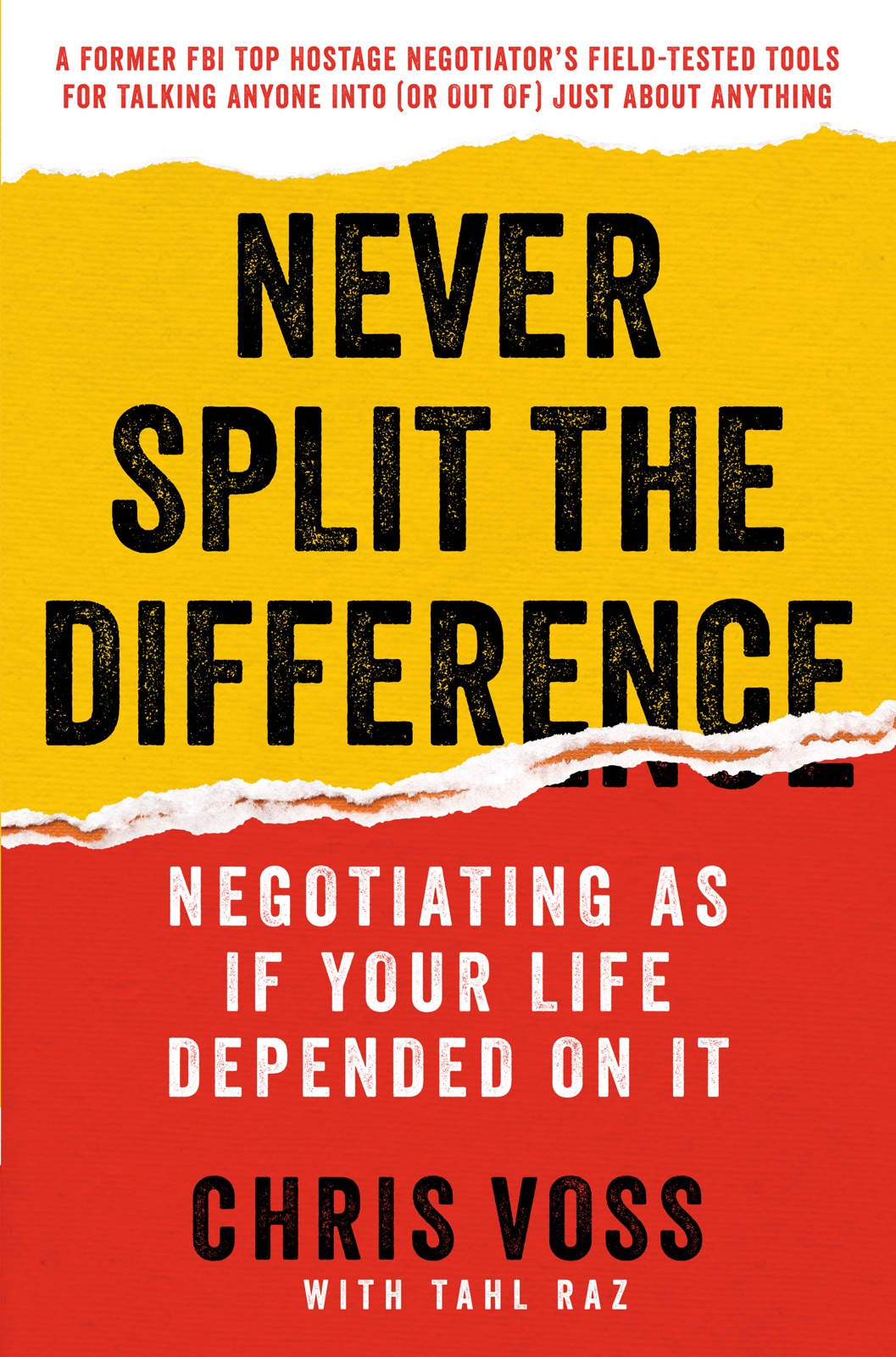
The clearest guide to this way of thinking comes from a former FBI hostage negotiator, and it works just as well for a salary conversation as it does for a kidnapping.
Stop trying to win, start trying to understand
The instinct to win a negotiation is the first thing to drop. When you focus on winning, you stop listening.
You get too busy building your next argument to hear what the other person just told you. Most deals fall apart from this alone, not from a bad number.
Instead, treat every negotiation as an information gathering exercise. Your job in the first few minutes is not to make your case.
It is to work out what the other side actually cares about, which is often different from what they say they want. A landlord who insists on the full deposit up front might really be worried about an unreliable tenant, not the money itself.
Solve the worry, and the number often moves on its own. You cannot solve a worry you never asked about.
Use tactical empathy, even when you disagree
Tactical empathy means naming the other person's feelings out loud, without agreeing with their position. It sounds odd until you try it, and then it feels almost unfair how well it works.
Two simple tools do most of the work. Mirroring is repeating the last few words someone said, turned into a question.
It is quiet and cheap, and it reliably gets people to explain themselves further. Try it in an ordinary conversation this week and notice how much more people say next.
Labeling is naming an emotion you sense in the room. "It sounds like this deadline is putting you under real pressure" is a label, not an agreement.
You are not saying you agree or disagree, you are showing you noticed. That alone lowers the temperature and gets people talking rather than defending.
A good sign you have understood someone is hearing them say "that's right" after you summarise their position back in your own words. If instead they say "you're right", that is usually a polite way of ending the conversation, not a sign you have understood anything.
Let them say no before you ask for a yes
Most negotiation advice pushes you towards a quick yes. That is backwards.
People say yes to get you off the phone, and a fast yes is often a fake one that unravels later. A "no" is more useful than a premature yes, because it means the person is still engaged rather than placating you.
Saying no also makes people feel safe and in control, which is when real information starts to flow. You can invite a safe no on purpose.
Instead of "Can we schedule a call tomorrow?", try "Is now a bad time to talk?" Instead of "Do you accept these terms?", try "Would it be a bad idea to structure it this way?"
Either version gets you an honest answer instead of a hollow yes said just to end an awkward moment.
Ask calibrated questions instead of making demands
A calibrated question starts with "how" or "what" and hands the problem back to the other side, without giving them anything to argue against. "How am I supposed to do that?" is a favourite for a reason.
It sounds like you want to help, but it quietly pushes the other party to solve your problem for you. Compare that with a flat demand: "I need a lower price." That invites a flat no in return.
"What about this number makes it hard for you to say yes?" invites a conversation instead, and often a better number by the end of it. Calibrated questions also defuse confrontation.
They let you push back hard on a position without ever raising your voice or making an accusation, which keeps the conversation from turning personal. That matters most in the conversations you cannot afford to lose the relationship over.
Do an accusation audit before things get tense
Before a difficult conversation, list every negative thing the other person could possibly say about you or your offer. Then say those things yourself, first, before they get the chance to.
"You're going to think this is an unreasonable amount to ask" or "This is going to sound like I'm not being flexible" takes the sting out of an accusation before it lands. It shows self awareness, and it is hard to stay angry at someone who has just named your own complaint for you.
This one habit changes the tone of hard conversations on its own. Asking for a raise, pushing back on a contractor's quote, telling a client a deadline has slipped, all of them go easier once you have said the awkward part out loud first.
Get to numbers carefully, and never split the difference
When it is time to talk money, resist the urge to compromise in the middle. Splitting the difference feels fair, but it usually means both sides land somewhere neither of them actually wanted.
Anchor a little higher than feels comfortable if you are selling, or lower if you are buying, but stay reasonable enough that you are not laughed out of the room. Then move in small, shrinking steps rather than one straight line to the middle.
Moving by roughly one hundred percent, then fifty percent, then twenty five percent, then a small final nudge, signals you are nearing your real limit without ever having to say so out loud. The other side reads the shrinking gaps and adjusts their expectations accordingly.
Non-monetary extras are often easier to move than a headline price. A flexible start date, a faster payment schedule or a longer warranty can close a stuck deal without anyone feeling they lost face on the number itself.
What to do first
Pick one low stakes negotiation this week: a phone bill, a freelance rate, a plan for the weekend with family. Try exactly one tool, a labelled observation or a calibrated "how" question, and notice what changes in the other person's tone before you try anything else.
Negotiation is a skill built through repetition on small stakes, not a script memorised for the big one. Once tactical empathy and calibrated questions feel natural in low pressure moments, they hold up when the stakes are real: a salary, a lease, a business deal.
If the conversations you are avoiding are personal rather than transactional, a hard talk with a partner or a friend rather than a deal, the underlying skill of staying calm and curious instead of defensive still applies. Start small, ask more than you assert, and let the other side get to no before you ask them for a yes.