Good decisions do not feel different from bad ones while you are making them. That is the real problem, and it is why trusting your gut works for some choices and quietly wrecks others.
The short answer: slow down for decisions that are big, hard to reverse, or driven by emotion. Let your gut run for decisions that are small, low stakes, or ones you have made a hundred times before. The skill is not becoming a permanently slower, more analytical person. It is learning to tell the two kinds of decisions apart, fast enough to actually act on the difference.
This matters more than it sounds. Most people either agonise over everything, which is exhausting, or coast on instinct through everything, which is risky. Neither extreme is the goal.
Two systems, two speeds
Your brain runs on two different modes. Psychologist Daniel Kahneman, who spent his career studying judgement and decision making, gave them plain names: System 1 and System 2.
System 1 is fast, automatic and effortless. It is what lets you drive a familiar route while thinking about something else, or read a word on a sign without sounding it out letter by letter.
System 2 is slow, deliberate and effortful. It is what you use to work out a tip on an odd bill, compare two mortgage offers, or plan what to say in a difficult conversation.
Most of a normal day runs on System 1, and that is a good thing. It would be exhausting to consciously reason through every step you take, every word you read, every familiar task.
The trouble starts when System 1 quietly takes over a decision that actually needed System 2. It hands you a fast, confident answer, and because it feels confident, you rarely stop to check it.
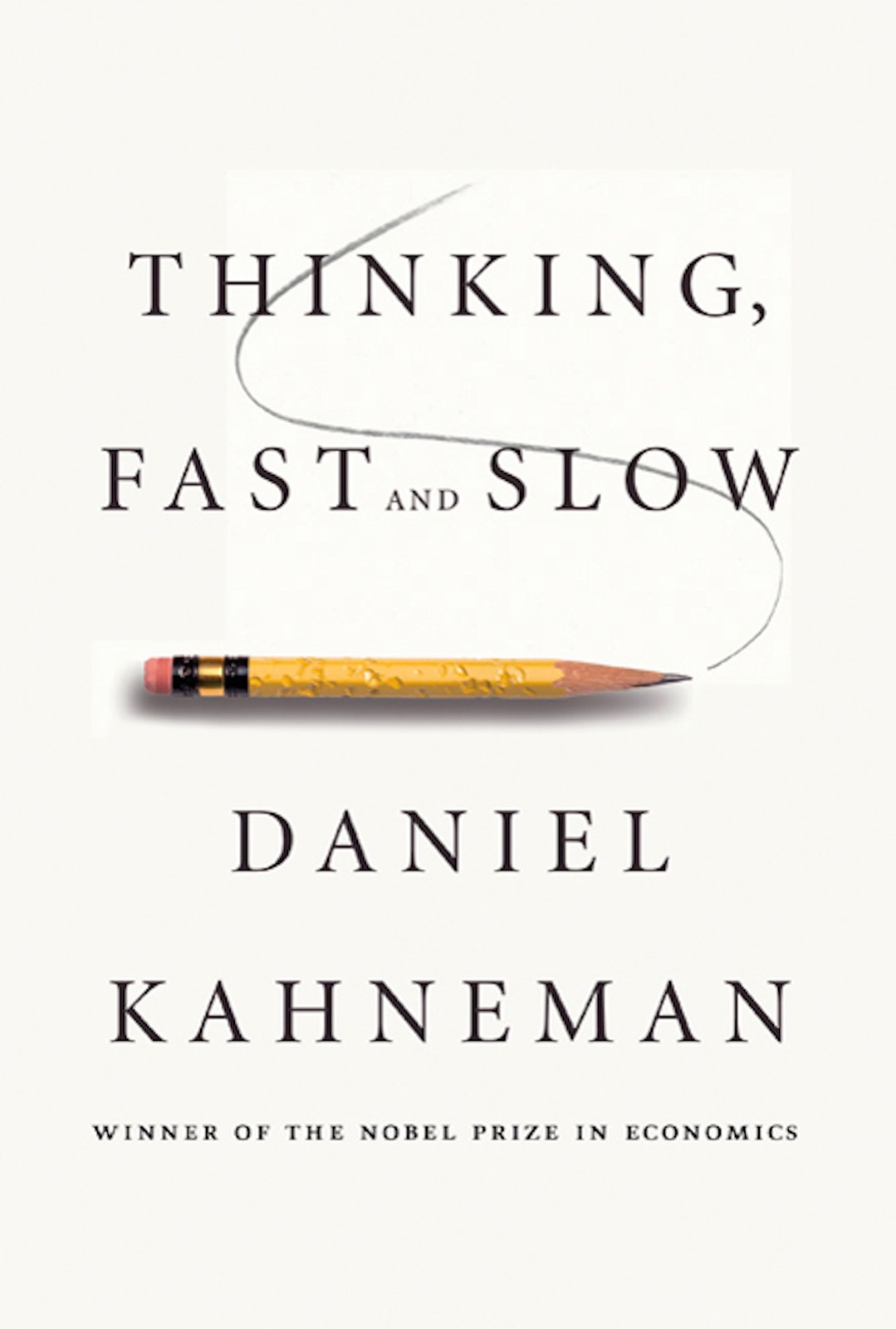
Kahneman's Thinking, Fast and Slow lays this model out in detail, along with decades of research into exactly where System 1 tends to get things wrong. It is a long book and not always a quick read, but you do not need to finish it to start using the ideas below.
Spot the moment a fast answer is dangerous
The single most useful habit is noticing when a snap judgement is about to make an important call, before it does.
Ask three questions when a decision matters: Is this hard to reverse. Is real money, or someone else's wellbeing, involved. Am I feeling rushed, tired, or emotional right now.
A yes to any one of those is a signal to slow down, even by five minutes. Stepping away from your desk, sleeping on it, or simply writing the decision down before acting all give System 2 a chance to check System 1's first answer.
Small, repeated decisions do not need this treatment. Deciding what to have for lunch does not deserve a pros and cons list, and treating it like one just burns willpower you need elsewhere.
The trick is setting your own threshold in advance, on a calm day, rather than trying to judge it in the moment when you are already under pressure.
Watch for anchoring
Anchoring is one of the best documented biases in the book. The first number or piece of information you hear pulls your later judgement toward it, even when that number is arbitrary or irrelevant.
A salary figure mentioned early, an asking price, a first draft estimate someone throws out in a meeting. Whatever number lands first tends to become the mental reference point for everything that follows.
Experienced negotiators use this deliberately, which is exactly why it is worth knowing about. The fix is not to ignore anchors, since that is very hard to do once one has been set.
Instead, form your own independent estimate before you hear theirs, and write it down. Having your own number on paper first makes it much harder for someone else's number to quietly drag you off course.
This works for more than negotiation. It applies to estimating how long a task will take, how much a project should cost, or how big a raise to ask for.
Do not trust the story that feels complete
Kahneman has a name for another pattern: WYSIATI, what you see is all there is. Your mind builds a confident, coherent story from whatever evidence happens to be in front of it, and it rarely pauses to ask what evidence might be missing.
This is why a single vivid anecdote can outweigh a pile of duller statistics, and why a confident speaker feels more trustworthy than a hesitant one, even when the hesitant one is right more often.
Before a decision that matters, ask two things. What information do I not have yet. And am I confident because the evidence is genuinely strong, or because the story simply feels tidy and complete.
Those are different feelings that get mistaken for each other constantly. Only one of them should actually change your mind.
A simple habit helps here: before you decide, say out loud or write down what would change your mind. If nothing would, you are not really weighing evidence, you are just looking for permission.
Beware the planning fallacy
Ask most people how long a project will take, and they will answer as if everything goes right. Kahneman and his collaborators called this the planning fallacy, and it shows up everywhere from home renovations to product launches.
The fix that research backs is unglamorous: look outside your own case. Find a few similar projects other people have finished, and use how long those actually took as your starting estimate, before you adjust for anything you think makes your case special.
This outside view is uncomfortable, because it usually produces a bigger, later number than your gut expects. That discomfort is exactly why it works.
The same trick applies to budgets, not just time. Ask what similar projects actually cost before you trust your own bottom up estimate.
Protect your decision making capacity
System 2 thinking is not free. It runs on limited attention, and that attention drains over the course of a day, especially when it is spent on small, low stakes choices that did not need it.
This is sometimes called decision fatigue, and it is one reason the same person can make a sharp call in the morning and a sloppy one late at night after a long string of minor choices.
The practical fix is to automate the small stuff on purpose. Decide in advance what you eat most weekday mornings, wear to routine meetings, or do first when you sit down to work, so those choices stop competing for the same mental budget as the decisions that actually deserve it.
Save your best thinking hours, whenever those are for you, for the handful of decisions each week that are genuinely hard to reverse.
Separate the decision from the outcome
One of the more freeing ideas in decision research is that a good decision can still lead to a bad outcome, and a reckless decision can get lucky.
If you judge every choice purely by how it turned out, you learn the wrong lessons. You might repeat a reckless bet because it happened to pay off once, or abandon a sound process because a single call went badly through no fault of the process.
Judge the decision instead by the quality of thinking at the time you made it. What information was available. Did you consider real alternatives. Did you give yourself enough time to think, given what was at stake.
A short written log helps more than memory ever will. Note the decision, your reasoning, and what you expect to happen. Six months later, read the log rather than trusting your recollection of it, since memory quietly rewrites itself to match how things turned out.
Where to start
Do not try to slow down every decision on your plate this week. Pick the one decision in front of you right now that is genuinely hard to reverse, and run it through the three questions from earlier before you commit.
Then pick one small, repeated decision and automate it away entirely, so it stops costing you attention it never deserved.
If the ideas here land, Thinking, Fast and Slow is the deeper version of all of it: dense in places, but the closest thing this field has to a founding text. It rewards being read slowly, one chapter at a time, rather than rushed.